As a supplier of timing chain tensioners, I’ve encountered numerous inquiries about the potential impact of these components on engine performance. One of the most common questions is whether a timing chain tensioner can cause a loss of power. In this blog post, I’ll delve into the intricacies of timing chain tensioners, explain how they work, and explore the relationship between a faulty tensioner and power loss. Timing Chain Tensioner
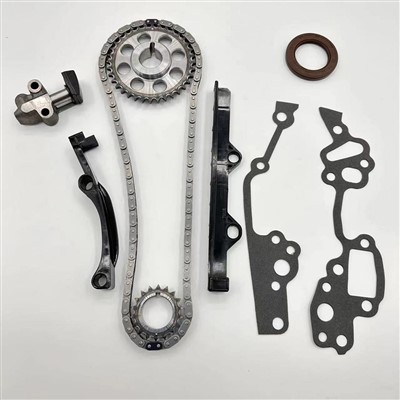
Understanding the Role of a Timing Chain Tensioner
Before we discuss the potential link between a timing chain tensioner and power loss, it’s essential to understand what a timing chain tensioner does. In an internal combustion engine, the timing chain is responsible for synchronizing the rotation of the crankshaft and the camshaft. This synchronization ensures that the engine’s valves open and close at the correct times, allowing for efficient combustion.
The timing chain tensioner plays a crucial role in maintaining the proper tension of the timing chain. Over time, the timing chain can stretch, which can lead to a loss of tension. If the chain becomes too loose, it can skip teeth on the sprockets, causing the engine’s timing to be off. This can result in a variety of issues, including reduced power, poor fuel economy, and even engine damage.
The timing chain tensioner works by applying a constant force to the timing chain, keeping it tight and preventing it from slipping. There are several types of timing chain tensioners, including hydraulic, mechanical, and automatic tensioners. Each type has its own advantages and disadvantages, but they all serve the same purpose: to maintain the proper tension of the timing chain.
How a Faulty Timing Chain Tensioner Can Cause Power Loss
Now that we understand the role of a timing chain tensioner, let’s explore how a faulty tensioner can cause a loss of power. There are several ways in which a malfunctioning tensioner can affect engine performance:
1. Incorrect Timing
As mentioned earlier, the timing chain tensioner is responsible for maintaining the proper tension of the timing chain. If the tensioner fails to do so, the timing chain can become loose, causing the engine’s timing to be off. When the timing is off, the valves may not open and close at the correct times, which can lead to a decrease in power.
For example, if the intake valves open too late, the engine may not be able to draw in enough air and fuel, resulting in a lean mixture. This can cause a decrease in power and performance. On the other hand, if the exhaust valves open too early, the engine may not be able to expel all of the exhaust gases, which can also lead to a decrease in power.
2. Chain Slippage
A faulty timing chain tensioner can also cause the timing chain to slip on the sprockets. When the chain slips, the engine’s timing is thrown off, which can lead to a loss of power. Chain slippage can occur due to a variety of reasons, including a worn or damaged tensioner, a stretched timing chain, or a misaligned sprocket.
If the chain slips, the engine may run rough, misfire, or even stall. In severe cases, chain slippage can cause the engine to suffer significant damage, such as bent valves or a damaged piston.
3. Increased Friction
A malfunctioning timing chain tensioner can also increase the friction between the timing chain and the sprockets. This increased friction can cause the engine to work harder, which can lead to a decrease in power and performance.
When the tensioner fails to maintain the proper tension of the timing chain, the chain may rub against the sprockets, causing wear and tear. This wear and tear can lead to increased friction, which can make it more difficult for the engine to turn the sprockets. As a result, the engine may have to work harder to produce the same amount of power, leading to a decrease in performance.
Signs of a Faulty Timing Chain Tensioner
Now that we understand how a faulty timing chain tensioner can cause a loss of power, let’s discuss the signs that indicate a problem with the tensioner. Some of the most common signs of a faulty timing chain tensioner include:
1. Engine Noise
One of the most common signs of a faulty timing chain tensioner is engine noise. If the tensioner is not functioning properly, the timing chain may become loose, causing it to rattle or make a clicking sound. This noise is often most noticeable when the engine is idling or when it is under load.
2. Poor Performance
As discussed earlier, a faulty timing chain tensioner can cause a loss of power and performance. If you notice that your engine is not running as smoothly as it used to, or if it is struggling to accelerate, it could be a sign of a problem with the timing chain tensioner.
3. Check Engine Light
In some cases, a faulty timing chain tensioner can trigger the check engine light. If the engine control module detects a problem with the timing chain tensioner, it will send a signal to the check engine light, indicating that there is an issue that needs to be addressed.
4. Difficulty Starting the Engine
A faulty timing chain tensioner can also make it difficult to start the engine. If the timing chain is loose or slipping, the engine may not be able to start properly. This can be especially noticeable in cold weather, when the engine is more difficult to start.
Preventing Timing Chain Tensioner Problems
To prevent timing chain tensioner problems, it’s important to follow the manufacturer’s recommended maintenance schedule. This includes regular oil changes, which can help to keep the tensioner lubricated and functioning properly. It’s also important to have the timing chain and tensioner inspected regularly by a qualified mechanic.
In addition to regular maintenance, it’s important to use high-quality timing chain tensioners. At our company, we offer a wide range of timing chain tensioners that are designed to meet or exceed the original equipment manufacturer’s specifications. Our tensioners are made from high-quality materials and are rigorously tested to ensure their reliability and performance.
Conclusion
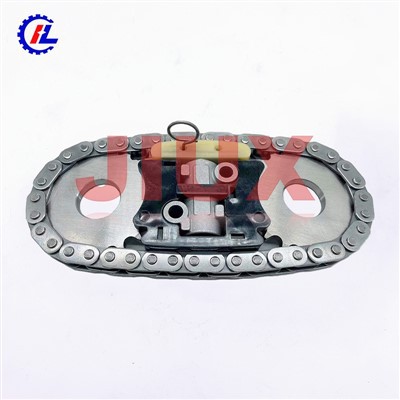
In conclusion, a timing chain tensioner can cause a loss of power if it malfunctions. A faulty tensioner can lead to incorrect timing, chain slippage, and increased friction, all of which can have a negative impact on engine performance. If you notice any of the signs of a faulty timing chain tensioner, it’s important to have it inspected and repaired as soon as possible to prevent further damage to your engine.
Fit for MITSUBISHI As a supplier of timing chain tensioners, we are committed to providing our customers with high-quality products and excellent customer service. If you have any questions about our timing chain tensioners or if you are interested in purchasing our products, please don’t hesitate to contact us. We look forward to working with you.
References
- Bosch Automotive Handbook, 8th Edition
- Haynes Repair Manuals
- Chilton’s Automotive Repair Manuals
Huzhou Hongli Auto Parts Co., Ltd.
With abundant experience, we are one of the most professional timing chain tensioner manufacturers in China. Please rest assured to buy customized timing chain tensioner at competitive price from our factory. If you have any enquiry about cooperation, please feel free to email us.
Address: Building 16, No.50 / Building 18, No.58, Dadongwu, Lianshi Town, Nanxun District, Huzhou, Zhejiang, China
E-mail: jiux@timingkit.cn
WebSite: https://www.jiuxkit.com/
