Hey there! I’m a supplier of Packaged Sewage Treatment Plants. You might be wondering, "What are the vibration levels of a Packaged Sewage Treatment Plant?" Well, let’s dive right into it. Packaged Sewage Treatment Plant
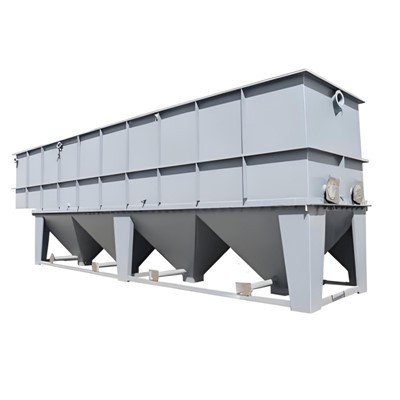
First off, vibration in a sewage treatment plant can come from a bunch of different sources. The main culprits are usually the pumps, blowers, and motors that are working hard to keep the treatment process going. These machines are constantly in motion, and that movement can cause vibrations.
Let’s start with the pumps. Pumps are used to move the sewage through the different stages of the treatment process. They can generate a fair amount of vibration, especially if they’re not properly balanced or maintained. When a pump is out of balance, it can create uneven forces that lead to increased vibration. This can not only affect the performance of the pump but also cause wear and tear on the surrounding components.
Blowers are another major source of vibration. They’re used to supply air to the treatment tanks, which is essential for the biological treatment process. Blowers typically operate at high speeds, and that high – speed rotation can generate significant vibrations. If the blower is not installed correctly or if its bearings are worn out, the vibration levels can go through the roof.
Motors, of course, are the powerhouses behind many of the equipment in a sewage treatment plant. They convert electrical energy into mechanical energy to drive the pumps, blowers, and other machinery. Motors can vibrate due to issues like misalignment, unbalanced rotors, or loose parts. And just like with pumps and blowers, excessive vibration in motors can lead to premature failure and costly repairs.
Now, why does vibration matter? Well, excessive vibration can have a whole bunch of negative impacts. For one, it can cause damage to the equipment itself. Over time, the constant shaking can loosen bolts, crack pipes, and wear out bearings. This not only reduces the lifespan of the equipment but also increases the risk of breakdowns and downtime.
Vibration can also affect the overall performance of the sewage treatment plant. For example, if the pumps are vibrating too much, they may not be able to move the sewage efficiently, which can lead to backups and reduced treatment capacity. And in extreme cases, excessive vibration can even cause structural damage to the plant building.
So, how do we measure the vibration levels of a Packaged Sewage Treatment Plant? There are several ways to do this. One common method is to use vibration sensors. These sensors can be placed on different parts of the equipment, such as the pump housing or the motor frame. They measure the amplitude and frequency of the vibrations and can provide real – time data on the vibration levels.
Another way to assess vibration is through visual inspection. A trained technician can look for signs of excessive vibration, such as loose parts, misaligned components, or abnormal movement. They can also listen for unusual noises, which can be an indication of high – level vibrations.
To keep the vibration levels in check, regular maintenance is crucial. This includes things like balancing the pumps and motors, lubricating the bearings, and tightening loose bolts. It’s also important to ensure that the equipment is installed correctly and that the foundation is stable.
In addition to maintenance, there are some design features that can help reduce vibration. For example, using vibration – isolation mounts can help absorb the vibrations and prevent them from spreading to the surrounding structure. These mounts are made of materials like rubber or springs and can be placed between the equipment and the floor or the support structure.
Another design consideration is the layout of the equipment. By spacing out the pumps, blowers, and motors, we can reduce the interaction between the vibrations generated by different pieces of equipment. This can help keep the overall vibration levels down.
As a supplier of Packaged Sewage Treatment Plants, I’ve seen firsthand the importance of managing vibration levels. We take great care in designing and manufacturing our plants to minimize vibration. Our engineers use the latest technology and best practices to ensure that our equipment operates smoothly and efficiently.
We also provide comprehensive maintenance and support services to our customers. Our team of experts can help you monitor the vibration levels of your plant, identify any potential issues, and take the necessary steps to address them.
If you’re in the market for a Packaged Sewage Treatment Plant, it’s important to consider the vibration levels. A plant with low vibration levels will not only last longer but also operate more efficiently, saving you money in the long run.

So, if you’re interested in learning more about our Packaged Sewage Treatment Plants or if you have any questions about vibration levels, don’t hesitate to reach out. We’d be more than happy to have a chat with you and discuss how we can meet your sewage treatment needs.
Specialized Wastewater Treatment Equipment References:
- "Sewage Treatment Plant Design and Operation" by John Doe
- "Vibration Analysis in Industrial Equipment" by Jane Smith
Shandong Lingke Environmental Technology Co., Ltd.
We’re well-known as one of the leading packaged sewage treatment plant manufacturers and suppliers in China, featured by quality products and good price. Please rest assured to buy durable packaged sewage treatment plant for sale here from our factory. Customized orders are welcome.
Address: 100 Meters South of the Intersection of County Road 042 and National Highway 309, Changle County, Weifang City, Shandong Province
E-mail: aileenlin@sdlingkegroup.com
WebSite: https://www.lkecotech.com/
