Hey there! I’m in the business of supplying vertical multistage pumps, and I often get asked about how to stop these pumps properly. So, I thought I’d share some insights on this topic. Vertical Multistage Pump

First off, why would you want to stop a vertical multistage pump? Well, there could be several reasons. Maybe you’re doing maintenance work, or there’s an emergency situation, or you simply don’t need the pump to run anymore. Whatever the reason, knowing how to stop it safely and effectively is crucial.
Understanding the Basics of a Vertical Multistage Pump
Before we dive into the stopping process, let’s quickly go over what a vertical multistage pump is. It’s a type of pump that has multiple impellers stacked on top of each other in a vertical configuration. These pumps are used in a variety of applications, like water supply systems, pressure boosting, and industrial processes. They’re known for their high efficiency and ability to provide high pressure.
Step – by – Step Guide to Stopping a Vertical Multistage Pump
1. Check the Operational Conditions
Before you stop the pump, you need to have a look at the current operational conditions. Make sure to check the pressure, flow rate, and temperature. You can use the gauge on the pump or the control panel to get this information. If the pump is running under abnormal conditions, like high pressure or overheating, you might need to take some extra steps before stopping it. For example, if the pressure is too high, you can try to reduce the flow rate gradually to bring the pressure down.
2. Close the Discharge Valve
The next step is to close the discharge valve. This valve is located on the outlet side of the pump. Closing it will prevent backflow of the fluid into the pump once it stops. You should close the valve slowly to avoid any sudden pressure changes that could damage the pump or the piping system. A sudden closure of the valve can cause water hammer, which is a pressure surge that can lead to leaks or even pipe breakage.
3. Turn Off the Power
Once the discharge valve is closed, it’s time to turn off the power supply to the pump. You can do this by switching off the circuit breaker or the motor starter. Make sure you follow the proper safety procedures when doing this. For example, wear insulated gloves and use the appropriate tools. Also, double – check that the power is really off by trying to start the pump again briefly after turning off the power (but make sure not to leave it on).
4. Monitor the Pump’s Shutdown
After turning off the power, keep an eye on the pump as it shuts down. You’ll notice that the impellers will start to slow down gradually. Listen for any unusual noises, like grinding or rattling, which could indicate a problem. If you hear any strange sounds, it’s a good idea to investigate further to see if there’s any damage to the pump.
5. Open the Vent Valve
Once the pump has completely stopped, you can open the vent valve. This valve is usually located at the top of the pump. Opening it will release any trapped air in the pump casing. This is important because trapped air can cause problems when you start the pump again.
6. Lockout and Tagout (LOTO)
If you’re going to be doing maintenance on the pump or if it’s going to be out of service for a while, you should perform a lockout and tagout procedure. This involves locking the power switch in the off position and attaching a tag to it. The tag should indicate that the pump is out of service and who’s responsible for the lockout. This helps prevent accidental startup of the pump while work is being done on it.
Special Considerations for Stopping a Vertical Multistage Pump
Emergency Stops
In an emergency situation, you might need to stop the pump immediately. In this case, you can use the emergency stop button if the pump has one. The emergency stop will cut off the power to the pump right away. However, keep in mind that a sudden stop like this can cause some wear and tear on the pump, so it’s important to have the pump inspected after an emergency stop.
Cold Weather Conditions
In cold weather, you need to take extra precautions when stopping the pump. If the pump contains water, it can freeze and cause damage to the pump casing. To prevent this, you can drain the water from the pump after stopping it. You can open the drain valve located at the bottom of the pump to let the water out.
Stopping for Maintenance
When you’re stopping the pump for maintenance, make sure to follow the manufacturer’s maintenance schedule. For example, if you’re going to check the impellers, make sure to clean them and inspect them for any signs of wear. You might also need to lubricate the bearings if it’s due for lubrication.
Common Mistakes to Avoid When Stopping a Vertical Multistage Pump
Abrupt Valve Closure
As I mentioned earlier, closing the discharge valve too quickly can cause water hammer. This can damage the pump, the piping, and other components in the system. So, always close the valve slowly.
Not Following Lockout and Tagout Procedures
Failing to follow LOTO procedures can be extremely dangerous. It can lead to accidental startup of the pump, which can cause serious injuries to anyone working on the pump. So, make sure to always use LOTO when the pump is out of service.
Ignoring Warning Signs
If you notice any warning signs, like unusual noises or vibrations, while the pump is shutting down, don’t ignore them. These signs could indicate a problem with the pump, and if you don’t address them, it could lead to more serious problems in the future.
Conclusion
Stopping a vertical multistage pump isn’t rocket science, but it does require some knowledge and care. By following the steps I’ve outlined above and avoiding the common mistakes, you can ensure that your pump stops safely and without any issues.
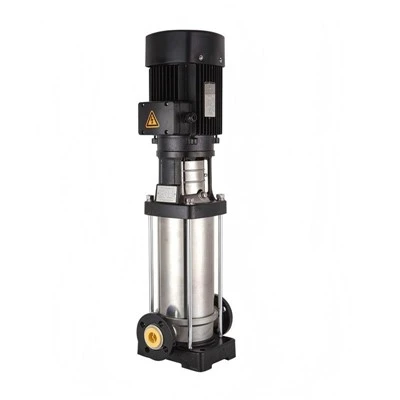
If you’re in the market for a vertical multistage pump or need more advice on pump operation and maintenance, don’t hesitate to reach out. We’re here to help you find the right pump solution for your needs. Whether you’re in a small residential project or a large industrial application, we’ve got the expertise and the products to serve you.
Pipeline Pump References:
- "Pump Handbook" – Various chapters covering pump operation and maintenance.
- Manufacturer’s manuals for vertical multistage pumps.
Taizhou Goodpump Trading Co., Ltd.
We’re well-known as one of the most professional vertical multistage pump enterprises in China, featured by quality products and good service. Please rest assured to buy discount vertical multistage pump in stock here from our factory. For quotation, contact us now.
Address: No. 38, District 6, Zhengye Village, Lunan Street, Luqiao District, Taizhou City, Zhejiang Province, China
E-mail: 19548175755@163.com
WebSite: https://www.goodpump-cn.com/
