Can Galvanized Steel Pipe be bent? Galvanized Steel Pipe
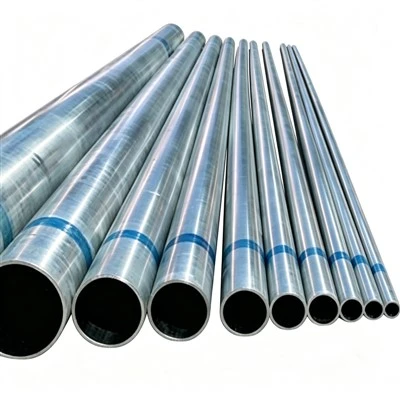
As a supplier of galvanized steel pipes, I often encounter customers who have questions about the bendability of these pipes. Galvanized steel pipes are widely used in various industries due to their excellent corrosion resistance and durability. But the question of whether they can be bent is a crucial one for many projects, especially those involving plumbing, construction, and manufacturing.
Understanding Galvanized Steel Pipes
Before delving into the bendability of galvanized steel pipes, it’s important to understand what they are. Galvanized steel pipes are steel pipes that have been coated with a layer of zinc through a process called galvanization. This zinc coating acts as a protective barrier, preventing the steel from rusting and corroding when exposed to moisture and other environmental factors. The galvanization process can be either hot – dip galvanizing, where the steel pipe is submerged in a bath of molten zinc, or electro – galvanizing, which involves using an electric current to deposit a thin layer of zinc onto the pipe’s surface. Hot – dip galvanized pipes are generally more durable and have a thicker zinc coating compared to electro – galvanized ones.
Factors Affecting Bendability
The bendability of galvanized steel pipes is influenced by several factors. One of the primary factors is the wall thickness of the pipe. Generally, pipes with thinner walls are easier to bend than those with thicker walls. Thicker – walled pipes require more force to bend and are more likely to crack or deform during the bending process, which can compromise the integrity of the zinc coating and the pipe itself.
The diameter of the pipe also plays a significant role. Larger – diameter pipes are more challenging to bend due to their increased cross – sectional area and greater resistance to deformation. Smaller – diameter pipes can usually be bent more easily without excessive stress or damage.
The type of steel used in the pipe is another important consideration. Different grades of steel have varying levels of ductility, which is the ability of a material to deform under tensile stress without breaking. High – strength steels may be less ductile and more difficult to bend compared to mild – steel pipes.
Methods of Bending Galvanized Steel Pipes
There are several methods for bending galvanized steel pipes, each with its own advantages and limitations.
-
Cold Bending: This is the most common method for bending galvanized steel pipes. Cold bending involves bending the pipe at room temperature without the application of heat. There are two main types of cold – bending techniques:
- Roll Bending: In roll bending, the pipe is passed through a series of rollers that gradually bend the pipe to the desired radius. This method is suitable for creating large – radius bends and is often used in the construction of handrails, guardrails, and structural frames.
- Press Bending: Press bending uses a hydraulic press to apply force to the pipe at a specific point, causing it to bend. This method is more precise and can be used to create smaller – radius bends. However, it requires specialized equipment and skilled operators.
-
Hot Bending: Hot bending involves heating the pipe to a specific temperature before bending it. Heating the pipe makes it more malleable and reduces the risk of cracking or fracturing during the bending process. This method is typically used for thicker – walled pipes or when very tight bends are required. After bending, the pipe must be cooled slowly to prevent internal stress and maintain the integrity of the zinc coating.
Precautions when Bending Galvanized Steel Pipes
When bending galvanized steel pipes, it’s important to take certain precautions to ensure the quality and integrity of the pipes.
- Prepare the Pipe: Before bending, the pipe should be cleaned to remove any dirt, debris, or oil that could interfere with the bending process. This will also help to prevent damage to the zinc coating.
- Use the Right Tools: Using the appropriate bending tools and equipment is essential. Tools that are not designed for bending galvanized steel pipes can cause scratches or damage to the zinc coating, which can lead to premature corrosion.
- Control the Bending Angle and Radius: It’s important to control the bending angle and radius to ensure that the pipe meets the requirements of the project. Over – bending or under – bending can result in a pipe that does not fit properly or has reduced structural strength.
- Inspect the Coating: After bending, the zinc coating should be inspected for any signs of damage. If the coating has been scratched or removed in some areas, a touch – up coating can be applied to prevent corrosion.
Applications of Bent Galvanized Steel Pipes
Bent galvanized steel pipes have a wide range of applications in various industries.
- Plumbing: In plumbing systems, bent galvanized steel pipes are used to create elbows, bends, and offsets to navigate around obstacles and connect different sections of the piping network.
- Construction: In the construction industry, bent galvanized steel pipes are used for architectural features such as handrails, staircases, and structural frameworks. Their corrosion resistance makes them suitable for both indoor and outdoor applications.
- Manufacturing: Bent galvanized steel pipes are used in the manufacturing of machinery, equipment, and automotive parts. They can be customized to meet the specific requirements of different products.
Conclusion

In conclusion, galvanized steel pipes can be bent, but the process requires careful consideration of several factors such as wall thickness, diameter, and the type of steel. By using the right bending methods and taking appropriate precautions, it’s possible to bend galvanized steel pipes without compromising their quality or integrity.
Steel Pipe If you are in need of high – quality galvanized steel pipes for your project, whether you need them straight or bent, I am here to help. I offer a wide range of galvanized steel pipes in different sizes, grades, and thicknesses, and I can provide guidance on the best bending methods for your specific needs. Contact me to discuss your requirements and explore how my galvanized steel pipes can be a perfect fit for your project.
References
- Breen, J. E. (1999). Cold – Bending of Structural Steel Sections. ASCE Press.
- Fuchs, H. O., & Stephens, R. I. (1980). Metal Forming: Mechanics and Metallurgy. Prentice – Hall.
- American Society for Testing and Materials (ASTM). Various standards related to steel pipes and their mechanical properties.
Shenzhen Gangyuanlong Building Materials Co., Ltd.
As one of the most professional galvanized steel pipe manufacturers and suppliers in China, we also support customized service with low price. Please feel free to wholesale premium galvanized steel pipe in stock here from our factory. Also, quotation is available.
Address: No. 10-1, Jinlong 4th Road, Baolong Community, Longgang Subdistrict, Longgang District, Shenzhen
E-mail: szgylco@gmail.com
WebSite: https://www.szgylco.com/
