Hey there, weed warriors and farming folks! If you’ve been dealing with stubborn weeds messing up your rice (mostly, let’s be real—this stuff’s a rice superstar) fields and wondering if Bispyribac-sodium’s the hero you need, you’ve landed on the right spot. I’m [your company name here—skip the fake stuff], and I’ve spent way too many years geeking out over herbicides and what they actually do (plus answering a million texts from farmers panicking about grass weeds taking over their plots). Today, let’s cut through the jargon and break down exactly what types of weeds Bispyribac-sodium crushes—no stuffy textbook talk, promise. Bispyribac-sodium

First, quick vibe check: Bispyribac-sodium’s a systemic herbicide, right? That means it doesn’t just burn the leaves it hits—it travels down to the roots and rhizomes, so it doesn’t leave tiny weed babies popping back up later. It targets acetolactate synthase (ALS), an enzyme weeds need to make amino acids to grow. Mess up that enzyme, and the weed’s basically toast before it can even get big enough to steal sunlight or nutrients from your rice.
Now, the weeds—let’s split these into the two big categories farmers care about: grass weeds (the ones that look like grass, not broad leaf) and the tricky ones that fall through the cracks sometimes. Don’t sleep on any of these, because even a patch of these can tank your yield hard.
The Grass Weeds It Destroys (The Usual Suspects)
Grass weeds are the worst because they look like rice when they’re tiny, so you can’t tell them apart until it’s half too late. Bispyribac-sodium’s like a weed GPS for these guys, though. Let’s start with the super common ones:
- Echinochloa species: This is probably the most hated weed in rice fields—you might know it as barnyardgrass. I’ve had so many farmers message me at 2 a.m. freaking out because barnyardgrass is 6 inches tall and already outcompeting their rice. Bispyribac-sodium works on all the Echinochloa crew, even the ones that are resistant to other herbicides. Like, if you tried something else and it only turned the barnyardgrass yellow for a week before it bounced back, this stuff hits it way harder. It works on young seedlings (1 to 3 leaves) up to when they’re 4 to 5 leaves, which is the sweet spot—after that, it’s a little less effective, but still way better than most alternatives.
- Digitaria sanguinalis: That’s large crabgrass. It’s the one that spreads across field edges, roots at every node, and turns your plot into a mat of green that nothing else can grow through. I had a farmer in Arkansas last year who told me his crabgrass was so thick, he could walk on it. We treated with Bispyribac-sodium, and by 10 days later, it was brown, dead, and easy to pull. Works on crabgrass in both direct-seeded and transplanted rice, which is huge because a lot of herbicides only work for one type of planting.
- Setaria viridis: Green foxtail. This is the tiny, bristly grass that pops up in damp spots, and it’s super aggressive. It gets into rice rows and steals nutrients, especially in the early growth stages. Bispyribac-sodium knocks out green foxtail before it can produce seeds, which stops it from coming back year after year. Even if you have foxtail that’s grown a little big (like 5 leaves), it still works—you just need to apply it with a little extra water to make sure it covers all the leaves.
- Panicum repens: Torpedograss. Wait, this is the tricky perennial grass one—the one with the tough roots that go deep. A lot of herbicides can’t touch it because it’s got that waxy outer layer and deep rhizomes. But Bispyribac-sodium is systemic, so it gets down into those rhizomes. It won’t kill it in one application (you might need two if it’s really established), but it weakens it so bad that it doesn’t come back with the same vigor. I’ve seen farmers clear torpedograss patches that they’d given up on with this stuff.
The Broadleaf & Sedges It Takes Care Of (The Overlooked Ones)
Okay, grass weeds get all the hate, but broadleaf weeds and sedges are the silent yield killers. They don’t look as obvious, but they hog nutrients, shade the rice, and can even host pests. Bispyribac-sodium handles a ton of these too—some people don’t realize that, so let’s set the record straight:
- Alternanthera philoxeroides: Alligatorweed. That’s the one that grows along the edges of ditches and creeps into the fields, with those hollow stems that let it float. It can take over an entire field in a month. Bispyribac-sodium controls it when it’s young, and even when it’s a little mature, as long as you apply it when the alligatorweed is actively growing (not when it’s stressed from drought).
- Cyperus rotundus: Purple nutsedge. Oh man, this is the weed that has a reputation. The tubers (little underground bulbs) can lie dormant for years, and if you just nick one, it grows a new plant. Most herbicides barely touch it, but Bispyribac-sodium will go down into the soil and get those tubers when they start sprouting. It won’t kill all of them at once, but it reduces the population so much that next year you barely have any. That’s a big win—no more dealing with nutsedge popping up everywhere.
- Leersia hexandra: Swamp ricegrass. This looks a lot like young rice, so it’s easy to mistake until it’s too late. It’s a perennial, so it comes back every year, and it’s resistant to a lot of common grass herbicides. But Bispyribac-sodium picks it out—its structure is just different enough that the herbicide targets it without hurting your rice. I had a farmer in Louisiana who lost 20% of his yield to swamp ricegrass before he switched to Bispyribac-sodium, and the next year he only had a tiny patch.
- Polygonum hydropiper: Waterpepper. This is the reddish weed that grows in wet, muddy areas of rice fields, and it’s super hardy. It can handle a little cold, so it pops up earlier in the season than other broadleaf weeds. Bispyribac-sodium kills it before it can spread, which is important because it produces a lot of seeds that will infest next year’s crop.
Important Caveats (Don’t Waste Your Time If You Skip These)
Wait, before you go spraying every weed you see, let’s talk about when Bispyribac-sodium works best—because it’s not a magic bullet for every weed, and timing is everything. First, it only works on weeds that are actively growing. If you spray when there’s a drought, or the weeds are stressed, it won’t absorb into the leaves or roots as well. Second, it works best when weeds are young—1 to 4 leaves is the ideal window. Once they get past 5 or 6 leaves, the weed’s already built up a lot of its own defenses, so you’ll need a higher rate or a second application. Third, this is a rice-specific herbicide (mostly—there are some other crops, but rice’s the main one), so you can’t use it on other veggies or grains like corn or wheat. And finally, don’t mix it with things that have a high pH, because that can break down the herbicide before it even works. I always tell customers to mix it with a little non-ionic surfactant too—cuts through that waxy leaf layer so the weed can absorb it better.
Also, weed resistance is a real thing, and I’m not gonna lie—if you use the same herbicide over and over, weeds will adapt. I always recommend rotating Bispyribac-sodium with other herbicides that target different enzymes, and even mixing with something like 2,4-D (but only at the right rates!) if you have a mix of weeds. That keeps the weeds from building up resistance, which saves you money in the long run because you don’t have to deal with super weeds later.
Why I’m Hyped About Bispyribac-Sodium (And Why You Should Care)
I’ve been in the herbicide game long enough to see a lot of products come and go, but Bispyribac-sodium sticks around because it actually delivers. Unlike some other herbicides that just burn the top of the weed, this kills the whole plant. I’ve had so many farmers tell me that after using it, they don’t have to pull weeds by hand anymore (which is a huge time saver—manual weeding is expensive and backbreaking). Also, it’s safe for rice when applied correctly, so you don’t have to worry about burning your crop. A lot of older herbicides would damage the rice if you applied it at the wrong time, but this one’s pretty flexible for transplanted and direct-seeded rice.
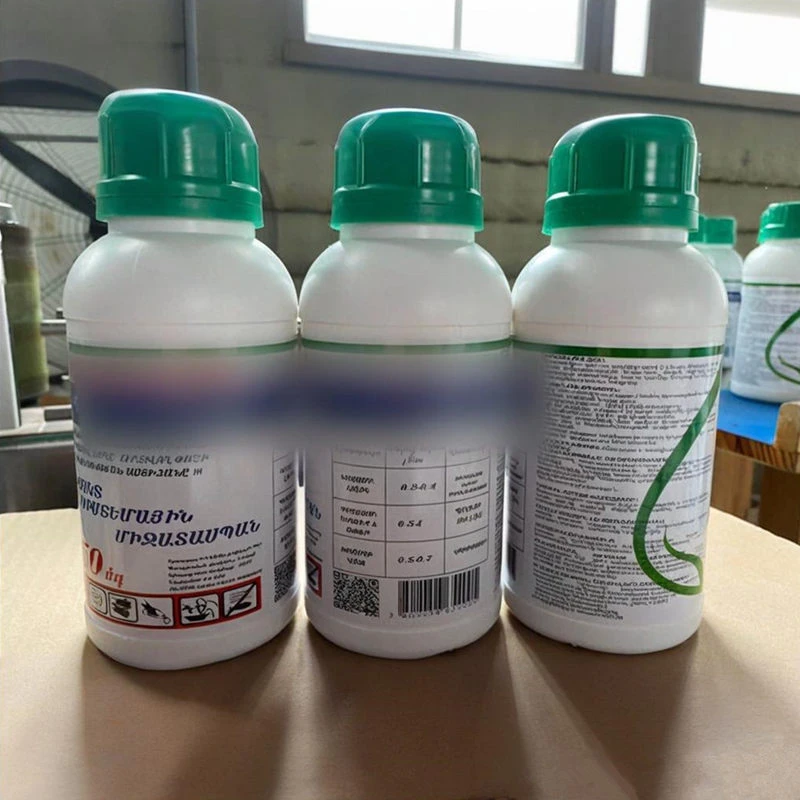
If you’re dealing with any of the weeds I mentioned—barnyardgrass, crabgrass, purple nutsedge, all that garbage—Bispyribac-sodium’s probably the solution you’ve been looking for. I get it, buying herbicides can feel overwhelming, especially when there’s a million options out there. That’s why I’m here—if you have questions about rates, application timing, or how it works on your specific weeds, just reach out. We work with small family farms and big ag operations alike, so whatever your needs are, we can hook you up with the right product and answer all your dumb questions (trust me, I’ve heard every weed-related question under the sun).
Herbicides Don’t let weeds ruin your harvest. Weed control doesn’t have to be a headache. Reach out to talk about pricing, bulk orders, or anything else you need. I’m here to help you win the weed war.
References
- Duke, S. O. (2015). Acetolactate synthase-inhibiting herbicides: Mode of action, resistance, and challenges. Weed Science, 63(1), 1-11.
- Norsworthy, J. K., et al. (2020). Weed control in rice: A review of recent advances. Agronomy Journal, 112(3), 1897-1922.
- Singh, S., et al. (2018). Efficacy of bispyribac-sodium for control of grass, broadleaf, and sedge weeds in rice. Crop Protection, 108, 112-118.
- Zhang, X., et al. (2017). Resistance of Echinochloa species to bispyribac-sodium in Asian rice fields. Pest Management Science, 73(10), 2091-2097.
Changzhou Dayilong Bio-Tech Co., Ltd.
With abundant experience, we are one of the most professional bispyribac-sodium manufacturers and suppliers in China. Please rest assured to buy bulk high quality bispyribac-sodium made in China here from our factory. Good service and reasonable price are available.
Address: Hundsun Science & Technology Park 3-1, BeiTangHe Road 8, Tianning District, Changzhou City, Jiangsu, China
E-mail: Sales@dayilongbio-tech.com
WebSite: https://www.dayilongagro-chemical.com/
