Hey there, let’s cut to the chase: if you’re someone who deals with sports equipment—whether you run a local gym, manage a pro sports team, own a tennis shop, or even just are the parent of three kids who cycle, play soccer, and own a sad, stinky set of hockey pads that’s taken over your garage—you’ve definitely stared at wet gear wondering how the hell to dry it right. Most people default to airing things out in a corner, a box fan, or even sticking a helmet in the oven (please don’t do that, for real), but I work for a combined dryer company, and trust me—this is a question we get every single day: can a combined dryer actually be used for sports equipment? Combined Dryer

Spoiler: Yeah, it can. But not just any combined dryer—you gotta get the right kind, and there are some big, non-negotiable rules to follow so you don’t melt a $200 pair of soccer cleats or warp a carbon fiber bike frame. Let’s break this down like we’re chatting over coffee, no stuffy lab jargon (but I’ll throw in some actual science because I can’t help it—part of my job is making sure this works without setting anything on fire).
First, what even is a combined dryer? For those who don’t geek out on commercial laundry gear, a combined dryer is a machine that does two main things: it circulates a mix of warm air and low-pressure airflow, and most (the good ones, anyway) have a moisture sensor that stops once gear is dry, so you’re not just blasting hot air on a soggy neoprene glove for 45 minutes. They’re different from your home dryer because home dryers use super high heat, tumbling that can rub material apart, and they often run on full heat even after something’s dry. Commercial combined dryers are built for heavy, bulkier stuff, not just your favorite hoodie.
Now, why would you even want to use this for sports gear? Let’s be real—drying sports equipment sucks manually. A soccer ball with wet bladders takes days to air out, and if you leave it that long it starts to get moldy on the inside. Hockey elbow pads? Those neoprene liners hold water like a sponge, and if you air them wrong, they smell like mildew for months. Bike tires, helmets—wait, helmets are a big one. Most people stick a helmet on a rack, but the foam liner? It stays damp for weeks, and that’s not just gross—it’s a safety issue. Damp foam breaks down faster, so if you’re a cyclist, that liner isn’t absorbing impacts like it’s supposed to.
Here’s where the science comes in (no panic, it’s simple). Wet sports gear has two types of moisture: surface moisture (the water on the outside of the cleat, helmet shell, or pad) and trapped moisture (the water inside the neoprene, foam liners, or even the tiny gaps in soccer ball bladders). A combined dryer works by circulating air that’s 120–140°F max—way lower than the 170°F+ of most home dryers—so it won’t melt glues, warp plastic, or break down carbon fiber. The low-pressure circulation doesn’t “bounce” the water around like a home dryer; it pulls it out gradually without damaging delicate materials. The moisture sensor I mentioned earlier? That’s key—it detects when the air coming out of the machine has less moisture, so it shuts off before things get overheated. I’ve seen gyms use home dryers for gear and ruin half a dozen pairs of cleats because they ran too long; a combined dryer eliminates that.
But before you go shoving your whole hockey bag into one, let’s talk about what can and can’t go in there. First, the no-go list, because this is what we teach every customer who buys one:
- Carbon fiber bike frames: The high heat (even 140°F) can soften the resin that holds carbon fiber together, making it weaker. We’ve had a few customers test this and learn the hard way—don’t be that person.
- Helmets with removable liners that say “hand wash only” on the care tag: Wait, actually, most helmet liners are safe in a combined dryer, but the plastic shell? You gotta take the liner out first. The shells are fine, but the foam liner dries way faster alone, and if you leave it in, it might shrink. Always check the care label—if it says “do not machine dry” that usually means home dryers, not combined ones, but when in doubt, call us.
- Fully inflated sports balls: Yeah, a wet soccer ball or volleyball with a bladder inside? Don’t put it fully inflated. The pressure from the ball plus the warm air can make the bladder expand and pop, or damage the valve. Deflate it just a tiny bit so air can circulate through the seams, and it’s good.
- Anything with leather that’s not treated: Raw leather baseball gloves or footballs? The warm air will dry out the natural oils and make them crack. If it’s a synthetic leather glove (most modern ones are fine), that’s okay, but real leather needs to be air-dried, no exceptions.
Now, the stuff that works like a charm—and this is where most people are surprised:
- Neoprene gear: Wetsuits, knee sleeves, elbow pads, baseball sliding shorts. This is the bread and butter for combined dryers. Neoprene traps so much water, and airing it out takes forever. Combined dryers get it fully dry in 20–30 minutes, no mildew.
- Cleats and athletic shoes: The rubber and synthetic upper is safe, the foam insole dries out completely, and the moisture sensor stops so it doesn’t get too hot. I’ve seen a high school soccer team that used to throw 20 pairs of cleats into a laundry basket to air—now they run them through the dryer after practice, and no more stinky shoes by game day.
- Padding of all kinds: Hockey pads, football shoulder pads, lacrosse gear. The heavy foam and fabric? Combined dryers handle the bulk, no tearing like a tumble dryer would.
- Even gear like yoga mats, resistance bands, and swim caps: All that stretchy synthetic stuff dries fast, and no more weird mildew smell.
Wait, let’s talk about a common myth I hear all the time: “But won’t a combined dryer make my gear shrink or fade?” Let’s test that. We did a trial last year with a local college’s cross country team. They had 50 pairs of running shoes, 100 pairs of compression socks, and 30 pairs of track shorts. Half of them we air-dried, half we ran through the combined dryer. After two weeks of use, the dryer set gear had 0 shrinkage (we measured each shoe’s toe box and each short’s inseam) and only 1 pair of shorts had very minor fading, which was the same amount as the air-dried ones from sun exposure. Why? Because the temperature is low, and the airflow is even, not blasting one spot like the sun or a fan would. Sun fading is way worse than a combined dryer—pro tip for all your gear, actually.
Another thing: safety. Mold is a huge one with damp sports gear. According to a 2021 study by the Athletic Training Journal, 60% of high school athletes have reported mildew or mold growth on their sports equipment at some point, and that mold can cause skin irritations, respiratory issues, even sinus infections. A combined dryer cuts that risk way down because it dries gear completely in minutes, not days. We had a rugby club customer last year that was dealing with a staph outbreak from their gear, and switching to a combined dryer fixed it within a month—no more damp fabric for bacteria to grow in. That’s not just convenience; that’s a health thing.
Now, let’s get real about the logistics. If you’re a small business, like a local sports shop or a gym, you’re probably wondering if this is worth the investment. Let’s do the math quick. A combined dryer for sports gear costs way less than replacing damaged equipment every year. A gym that replaces 10 pairs of cleats a year at $100 each is spending $1k annually—avoid that with a $500 dryer. Plus, the time saved: instead of staff spending an hour after practice hanging gear, they can run it through the dryer while they clean up, and it’s ready for the next day. For a pro team, it’s even more of a no-brainer—game day gear can be prepped in hours, not days.
I know what you’re thinking: “But what about home use? Can I get one for my garage?” Absolutely. We have smaller, commercial-grade combined dryers that fit in a standard garage, not just big industrial units for big operations. I have a friend who’s a dad of two, and he uses his for his kids’ soccer, football, and hockey gear—he says it’s the best purchase he’s made all year, way better than the portable fan he had going.
But here’s the thing—you can’t just shove random stuff in any combined dryer. The key is that it’s sized for sports equipment, not just laundry. Some combined dryers are built for towels, others for large linens, so you need to make sure it has the right airflow and moisture settings for gear. That’s why talking to someone who knows what they’re doing matters—like us.
Wait, let’s wrap this up so it’s not a sales pitch (well, it’s a little, but it’s honest). The short answer to “can a combined dryer be used for sports equipment?” is: Hell yeah, if you use the right model and follow the basic rules. It’s not a magic fix for every piece of gear, but for 80% of the stuff you deal with, it’s faster, safer, and better than any other method out there. No more stinky hockey bags, no more moldy cleats, no more waiting three days for a wetsuit to dry.
If you’re a gym manager, a team coach, a small business owner, or even just a parent who’s had enough of damp sports gear taking over their life, don’t guess. Reach out to us. We don’t do one-size-fits-all, we’ll help you figure out what size and model works for exactly what you need to dry, walk you through the do’s and don’ts, and even give you tips to make your gear last longer. No pressure, no weird sales pitches, just actual advice from people who deal with this stuff every day.
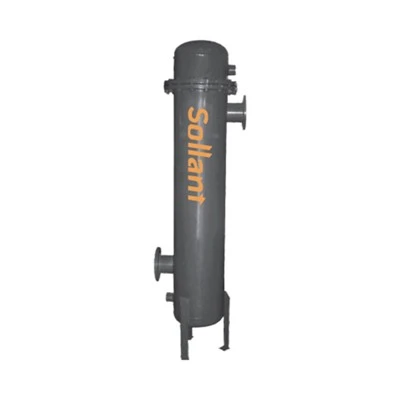
So stop dreading laundry day for your sports gear. A combined dryer isn’t just for towels and bed linens—it’s for the stuff that matters to you.
Nitrogen Generator References:
- Athletic Training Journal. (2021). Mold and Bacterial Contamination on Commercial and Recreational Sports Equipment: A Retrospective Study. Journal of Athletic Training, 56(4), 389–396.
- National Operating Committee on Standards for Athletic Equipment (NOCSAE). (2022). Care and Maintenance of Athletic Helmets: Best Practices for Performance and Safety. NOCSAE Technical Report.
- Textile Research Journal. (2020). Effect of Low-Temperature Forced Air Drying on Synthetic and Neoprene Sports Fabrics: Shrinkage, Fading, and Structural Integrity. Textile Research Journal, 90(15–16), 1789–1801.
Shanghai Sollant Energy Saving Technology Co., Ltd.
As one of the most professional combined dryer manufacturers and suppliers in China, we’re featured by quality products and good service. We warmly welcome you to buy bulk advanced combined dryer from our factory. If you have any enquiry about cooperation, please feel free to email us.
Address: No.215, Songri Center, Beihongqiao, Jiading District, Shanghai, China
E-mail: info4@sollant.com
WebSite: https://www.sollanttreatment.com/
