If you’ve ever stood in front of a stained cotton bedding set at 2 a.m., half-asleep and panicking about that last glass of red wine you spilled during dinner, you’ve probably asked the same question I get at least a dozen times a week: “Can I use a stain remover on my cotton bedding sets?” As someone who’s spent the last eight years working with soft, durable cotton bedding — helping customers pick sheets that hold up to weeks of washes, explaining why we pre-wash our premium cotton with gentle detergents to eliminate shrinkage, and troubleshooting every stain under the sun — this is the kind of question that doesn’t have a one-size-fits-all answer. It’s not just about “yes” or “no”; it’s about how you choose the stain remover, how you apply it, and what kind of cotton your bedding is made of. Let’s break this down, because I’ve seen firsthand what works, what doesn’t, and how to keep your cotton sheets looking like new without ruining the fabric we source specifically for everyday use. Cotton Bedding Sets
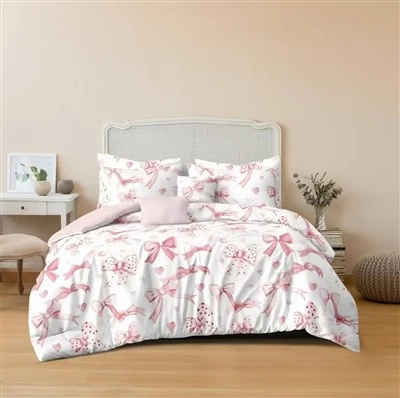
First, let’s talk about why cotton is such a popular choice for bedding — and why it’s a little different from, say, polyester or microfiber. Cotton is a natural fiber, which means it’s breathable, soft, and surprisingly strong when it’s high-quality. But it’s also porous, so stains can sink deep into the fabric’s weave if you don’t act fast. That porosity is why cotton absorbs sweat, wine, and coffee so well, but it’s also why harsh chemicals in the wrong stain remover can damage it over time. Not all cotton bedding is the same, either. We sell two main lines of cotton bedding: one is 100% organic long-staple cotton, which is soft, lightweight, and more delicate than standard cotton, and the other is a mid-weight cotton blend that’s a little more durable for busy households with kids or pets. The rules for stain removers change a tiny bit between the two, so I’ll note that as we go.
Let’s start with the most common mistake people make: grabbing the first stain remover off the shelf and dousing the stain immediately. I can’t tell you how many times a customer has brought back a set of sheets that look faded or have weird discoloration on the corners, and when I ask, they say they used a heavy-duty stain spray that’s meant for laundry on clothes. Here’s the thing: many over-the-counter stain removers (the kind with bleach, or high concentrations of enzymes) are too harsh for cotton bedding, especially organic long-staple. Bleach, even “color-safe” bleach, breaks down the cotton fibers over time, leading to thinning sheets that pill after a few months. Enzyme-based stain removers are better, but only if they’re formulated for delicate fabrics — regular enzyme removers can be too strong for the tight weave of cotton bedding, especially if you let them sit too long.
So, what kind of stain remover is safe for cotton bedding? Let’s get specific. For general, fresh stains (like a splash of soda, a little dirt, or makeup), a mild, enzyme-based stain remover that’s labeled “safe for cotton” or “delicate fabrics” is your best bet. These work by breaking down organic stains (food, sweat, grass) without damaging the fiber’s structure, and most are free from harsh bleaches or fragrances that can irritate skin — a big plus when you’re talking about something that touches your skin every night. For older, set-in stains (like a coffee stain that’s been on the sheet for a few days), a gentle oxygen-based stain remover (not chlorine bleach) is a good second choice. Oxygen-based formulas work by releasing oxygen to lift stains out of cotton, and they’re much gentler than chlorine, though you should still test them on an inconspicuous part of the sheet first — like the corner that’s tucked under the mattress — just to make sure they don’t cause any fading.
Now, the biggest rule I always tell customers: never use a product not designed for laundry stains on cotton bedding. I’ve seen people use nail polish remover, rubbing alcohol, or even hairspray to get out stains, and 9 times out of 10, that ends up with a spot on the sheet that won’t go away, or the fabric becoming stiff. Rubbing alcohol, for example, is fine for some things, but it can break down the binders in the cotton weave over time, leading to pilling. Hairspray has alcohol and sometimes fragrance that can leave a sticky residue, which attracts more dirt over time. Stick to laundry-specific stain removers, and you’ll avoid most of these issues.
How you apply the stain remover is just as important as what kind you use. I can’t stress this enough: act fast, but don’t rub. When a stain is fresh, grab a paper towel or a clean, dry cloth and blot the excess first. Don’t rub — that pushes the stain deeper into the cotton fibers, and can also fray the weave. Once you’ve blotted as much as you can, apply a tiny bit of stain remover directly to the stain. For fresh stains, a drop is usually enough; for set-in stains, you can use a little more, but don’t douse the whole area. Then, let it sit for the time the bottle recommends — usually 5 to 10 minutes. Don’t let it sit longer than that, especially on organic cotton, because even gentle formulas can start to break down the fiber if left on too long. After the wait, blot the stain again with a damp cloth, then wash the sheet as you normally would, using a mild, cotton-safe detergent.
Wait, but what about bleach? I know some people swear by bleach for tough stains, but I always warn against it for cotton bedding. Even chlorine bleach, which is super effective at killing bacteria and lifting stains, eats away at cotton fibers over time. If you use it every few washes, your sheets will start to thin, develop tiny holes, or fade unevenly — especially on the parts that get the most use, like the pillowcase edges. If you have a really tough stain that just won’t come out with a gentle remover, there is a safe alternative for white cotton bedding only: a tiny amount of oxygen bleach, mixed with cool water, applied only to the stain, not the whole sheet. But even then, test it on a hidden part first, and make sure it’s fully rinsed out. Never use chlorine bleach on any colored cotton bedding — it will strip the dye and leave a weird, faded spot that’s almost impossible to fix.
I should also mention a few stains that are extra tricky on cotton, because I’ve had to help customers deal with all of them. Blood stains are a big one — if you use hot water on a blood stain, it sets the protein in the blood permanently, so you should use a cold-water-based stain remover for blood, or even a little bit of hydrogen peroxide (but only on white cotton, never colored). Wine stains: again, cold water first, blot, then an enzyme stain remover. Grease or oil stains, like lotion or salad dressing: you can use a tiny bit of dish soap (the kind without moisturizers, because those leave a residue) on the stain, rub it gently with your fingers, then wash. That works way better than a heavy-duty stain remover for grease, and it’s less likely to damage the cotton.
Another thing that comes up a lot: can I use a stain remover on brand-new cotton bedding? A lot of people assume new sheets are stain-proof right out of the package, but that’s not true. We pre-wash all our cotton bedding sets before we ship them, to eliminate shrinkage and soften the fabric, but the dye is still setting for the first few washes. So, if you spill something on new sheets, be extra careful with stain removers — test on a hidden spot first, and avoid anything with bleach or harsh chemicals, because the dye is still fragile.
Over the years, I’ve learned that the best way to keep cotton bedding looking great isn’t just about how you treat stains, but about choosing the right products in the first place. Our cotton bedding is designed to be durable enough for regular washes, but gentle enough to handle everyday life, and that means the stain removers you use should match that. I’ve seen customers use harsh, store-brand stain removers on our bedding and ruin a set that should have lasted 5 years, just because they didn’t know the difference between a stain remover for work clothes and one for soft, everyday cotton.
If you’re ever unsure about a stain, or whether a certain stain remover is safe for your cotton bedding, don’t guess. Test it first. That tiny extra step will save you from having to replace a set of sheets that you love. And if you’re in the market for new cotton bedding sets that hold up to spills, washes, and all the little messes that come with life, feel free to reach out to our team to learn more about our lines and how we source cotton that’s designed to last. We’re here to help, whether you’re dealing with a stain at home or shopping for bedding for your family.

At the end of the day, the answer to “Can I use a stain remover on my cotton bedding sets?” is a resounding yes — as long as you do it the right way. Pick a gentle, fabric-safe stain remover, act fast without rubbing, and always test before you apply. Your cotton sheets will stay soft, vibrant, and stain-free for years, no emergency trip to the dry cleaner required.
Jacquard Quilt References
The Cotton Foundation. (2022). Care and Maintenance of Cotton Textiles.
Textile Institute. (2021). Guidelines for Stain Removal from Natural Fiber Bedding.
American Cleaning Institute. (2023). Safe Stain Removal Practices for Home Fabrics.
Haining Jiahao Supply Chain Co., Ltd.
As one of the most professional cotton bedding sets manufacturers in China, we have world-leading production equipment and strong manufacturing capabilities. Welcome to wholesale bulk cheap cotton bedding sets in stock here and get quotation from our factory. Customized orders are welcome.
Address: Room 903, Building 4, Hongxiang Life Plaza, No. 267, Nongfeng Road, Haining City, Zhejiang Province, China
E-mail: cecilia@jiahao-hn.com
WebSite: https://www.jiahaotextiles.com/
