If you’ve ever stood in a cramped construction trench on a sweltering summer day, watching a pipe fitter struggle to seal a 12-inch steel line mid-repair, or paused during a municipal water main upgrade to wonder how teams can test a pipe’s integrity without draining an entire block’s supply, you’ve encountered the unsung hero of piping systems: the hydraulic plug. As a supplier of these critical components, I’ve fielded hundreds of questions from plumbers, contractors, and plant managers over the years, and most boil down to the same basic query: what exactly is a hydraulic plug, and why does it matter more than a generic rubber end cap or a basic pipe cap? Hydraulic Plug
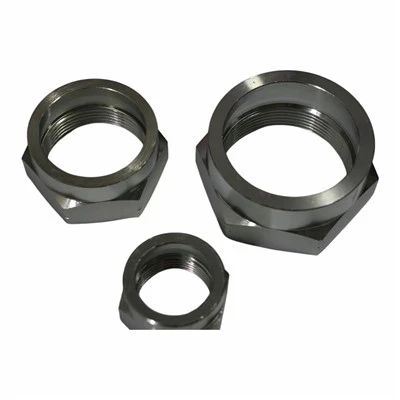
Let’s start with the basics, no confusing engineering jargon allowed. A hydraulic plug is a precision-engineered, inflatable or mechanically expanded device designed to create a temporary, leak-tight seal inside a pipe. Unlike static pipe caps that screw or clamp onto the end of a line, hydraulic plugs work from the inside out—they press firmly against the pipe’s inner wall, generating enough force to hold back high-pressure liquids, gases, or even slurry. That inward pressure is what makes them so versatile: they’re used for pressure testing, line isolation, pipeline flushing, blockage removal, and even temporary repair work, all without disconnecting or destroying existing pipe fittings.
The design of a hydraulic plug isn’t one-size-fits-all, and that’s where the magic lies. Most industrial hydraulic plugs fall into two main categories: inflatable and mechanical. Let’s break those down, because the difference matters for every job.
Inflatable hydraulic plugs are the most commonly used for general purpose work. These are typically made from heavy-duty, puncture-resistant materials like reinforced rubber, neoprene, or even Nitrile for chemical-resistant applications. To activate them, you pump fluid (usually water, air, or hydraulic oil) into a central bladder, which expands to match the inner diameter of the pipe. The key here is that the seal is matched to the pipe’s exact size—we carry plugs that fit pipes from 2 inches up to 144 inches, so whether you’re working on a small residential water line or a massive industrial sewer main, there’s a plug tailored to the job. For inflatable plugs, the pressure you use to inflate them is calibrated to the pipe’s material and wall thickness; overinflating a thin PVC pipe, for example, can damage the liner, while underinflating it won’t create a reliable seal. I’ve had a plumber tell me once that he tried to use a standard pool inflatable plug for a 6-inch steel line, and it blew out halfway through pressure testing—lesson learned: industrial hydraulic plugs aren’t toy pool floats.
Mechanical hydraulic plugs, on the other hand, rely on a different mechanism. Instead of a bladder, they use a set of expandable metal jaws or a segmented rubber sleeve that you crank or hydraulically push outward to press against the pipe wall. These are often preferred for high-pressure applications, like isolating a steam line or testing a gas pipeline, because they can generate more consistent, higher clamping force than inflatable models. Mechanical plugs also tend to be more durable for repeated use, since there’s no bladder to wear out from constant inflation and deflation. That said, they’re heavier and more labor-intensive to install—you can’t just connect an air hose and walk away; you have to properly align the jaws and crank them into place, which is why they’re less common for small, quick jobs.
Now, why would a contractor choose a hydraulic plug over other sealing methods? Let’s talk about real-world use cases, because that’s where the value becomes clear. I remember a job last year for a municipal utility in the Midwest—they needed to replace a 24-inch water main under a busy downtown street, and they couldn’t shut off water to 120 businesses and homes for more than 4 hours. The team used two hydraulic plugs: one upstream of the repair site, isolating the section, and one downstream, to keep the remaining water supply flowing. That cut the shutdown time to just 90 minutes, which saved the city thousands in lost business and overtime for crews. Without hydraulic plugs, they would have had to dig up the entire line, cap the ends, drain the section, and refill it—taking days instead of hours.
Another common use is pressure testing. Before a new pipeline is put into service, it has to be tested to make sure it can handle the design pressure without leaking. A hydraulic plug is inserted into the line, and the section between two plugs is pressurized with water (or another test fluid). If the pressure holds, the pipe is ready to go; if it drops, the team can pinpoint the leak location without having to search the entire length of the line. We recently supplied plugs for a natural gas pipeline test in Texas, where the working pressure was 1,200 PSI—mechanical hydraulic plugs were the only thing that could hold that kind of pressure reliably.
Hydraulic plugs also simplify pipe cleaning and maintenance. If a sewer line is clogged with roots or sludge, you can insert a high-pressure water jet into the line, push a hydraulic plug downstream, and use the plug to direct the water pressure back toward the clog, breaking it up without having to dig up the line. For industrial plants that handle abrasive materials, hydraulic plugs let you isolate sections of pipe for lining repair or replacement, without shutting down the entire process. I’ve even seen them used in marine applications, to seal hull penetrations during dry dock repairs—you wouldn’t believe how many unexpected uses these things have.
Of course, like any piece of equipment, hydraulic plugs only work if you use them correctly. That’s a big part of what we teach our customers, because a poorly installed plug can fail, leading to costly delays or even safety hazards. For starters, you have to inspect the pipe’s inner wall before inserting a plug—any cracks, burrs, or loose debris can puncture an inflatable bladder, or prevent a mechanical plug’s jaws from seating properly. You also have to match the plug’s material to the pipe’s contents: if you’re working with a corrosive chemical line, a standard rubber plug won’t hold up; you need a chemical-resistant Nitrile or EPDM plug. And never use a plug designed for a specific pipe material on a different one—for example, a plug rated for steel pipes can damage PVC pipes, because the clamping force is too high.
I’ve seen my share of mistakes over the years. One contractor once tried to use a 10-inch plug in an 11-inch pipe, hoping the inflation would make up the difference—needless to say, the seal leaked, and he had to shut down the entire job while we rushed a custom plug to the site. Another time, a team used an old inflatable plug that had a small tear in the bladder, and when they pressurized the line, the plug blew out, splashing water all over a $10,000 piece of equipment. That’s why we always recommend doing a pre-job inspection of both the plug and the pipe, and having a spare plug on hand for any unexpected issues.
As a supplier, our job isn’t just to sell hydraulic plugs—it’s to make sure our customers have the right plug for their job, and the knowledge to use it safely and effectively. That means we work with plumbers, contractors, and plant managers to assess their pipe specs, pressure requirements, and application needs, so we can recommend the perfect plug, whether it’s an inflatable model for a small residential line or a heavy-duty mechanical plug for an industrial pipeline. We also offer rental options for teams that only need a plug for a single job, so they don’t have to invest in equipment they’ll only use once.
If you’re working on a construction project, a municipal repair, or an industrial maintenance job, and you need a reliable, leak-tight seal for your pipe, hydraulic plugs are the solution that saves time, money, and hassle. No more draining entire lines, no more messy temporary repairs, no more costly shutdowns—just a simple, effective seal that gets the job done right.
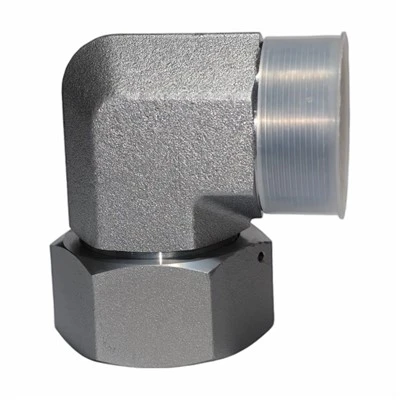
Ready to find the right hydraulic plug for your next project? Reach out to us to discuss your specific pipe size, pressure requirements, and application needs, and we’ll help you get the equipment and support you need to get the job done safely and on time.
Hydraulic Fittings References:
- American Water Works Association. (2020). Standard Practice for Pipeline Plugging and Isolation. AWWA Manual M25.
- Pipe Fabrication Institute. (2018). Engineering Standards for Temporary Piping Seals and Isolation Devices. PFI ES-15.
- Occupational Safety and Health Administration. (2021). Safety Guidelines for Pressure Testing and Pipe Isolation in Construction. OSHA Publication 3300-08R.
Yuyao Huiqiang Fluid Connectors Co., Ltd.
With abundant experience, we are one of the most professional hydraulic plug manufacturers and suppliers in China. Please feel free to wholesale cheap hydraulic plug in stock here from our factory. All customized products are with high quality and low price.
Address: No.102, Wenwei Road, Zhangting Town, Yuyao City, Ningbo City, Zhejiang Province
E-mail: huiqiangliuti@163.com
WebSite: https://www.huiqiang-fitting.com/
