As someone who’s spent the last 12 years working in animal fat supply—specifically for pet food manufacturers—I’ve lost count of how many times I’ve gotten that exact question: Is animal fat in dog food safe? Back when I started, this wasn’t a common conversation. The pet food industry was shifting from basic, bulk formulations to nutritionally focused products, and a lot of pet owners were still stuck on outdated, even misinformed, ideas about where dog food ingredients came from. I’ve sat in trade show booths where people recoiled at the phrase “animal fat,” like it was some leftover byproduct too gross to even think about, let alone feed to their beloved pups. That reaction always made me pause, because the animal fat we supply isn’t some afterthought—it’s a carefully processed, nutrient-dense component that’s been a staple in canine diets for decades, and it’s as safe as any other core ingredient in dog food today. Animal Fat
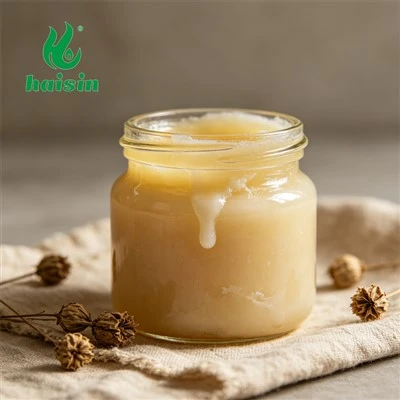
Let’s start with the basics: what actually is the animal fat used in commercial dog food? A lot of the confusion comes from conflating “animal fat” with the low-grade feed leftovers of the past. Today, the animal fat industry follows strict, federally regulated processes (in the U.S., that’s the Food and Drug Administration’s Center for Veterinary Medicine, plus the USDA’s Food Safety and Inspection Service, which oversees animal byproducts meant for pet food) to source and render fat. We don’t use roadkill, spoiled meat, or unfit animal parts anymore. Our supply comes from inspected, healthy livestock—cattle, hogs, and poultry—that are raised for human consumption. The fat is trimmings from processing plants: subcutaneous fat from pork shoulders, intramuscular fat from beef loins, even clean fat from chicken skins, all of which are too small or irregular to go to human grocery stores, but are perfectly safe, nutrient-dense, and completely edible. The rendering process itself is a key safety step: it’s a heat-treatment method that breaks down raw tissue, kills harmful bacteria like Salmonella, E. coli, and Listeria, and removes excess moisture, so the final product has a long shelf life without preservatives.
I know what some of you are thinking: I feed my dog a raw food diet, so why would he need processed animal fat? Even in raw diets, animal fat is a non-negotiable nutrient, but it’s not always handled to the same standards as the fat in commercial dog food. Commercial formulations, including the ones we supply, have to meet strict nutritional profiles set by the Association of American Feed Control Officials (AAFCO)—the group that sets the guidelines for pet food in the U.S. AAFCO requires that dog food have a minimum percentage of fat, and much of that fat comes from animal sources because it’s a complete, bioavailable source of energy, essential fatty acids, and fat-soluble vitamins. Let’s break down why those nutrients matter. Dogs are omnivores, but they have a biological need for dietary fat: it’s 2.25 times more calorie-dense than protein or carbohydrates, so it’s critical for active working dogs, puppies, and senior dogs who might have trouble maintaining weight. Then there’s omega-3 and omega-6 fatty acids—EPA and DHA from animal fat, specifically. Those are what keep a dog’s coat shiny, reduce inflammation, support heart health, and even aid cognitive function. Plant-based fats can’t provide the same ratio of essential fatty acids as animal fat, which is why pet food manufacturers rely on high-quality animal fat to balance their formulas.
Safety, though, is the big question. I’ve seen firsthand how rigorous the testing is for animal fat used in pet food. Every batch we produce goes through multiple lab screenings before it leaves our facility. We test for heavy metals, like lead or mercury, which can accumulate in fat, and for dioxins, which are a concern in any animal product. We also check for residual antibiotics or hormones—since we source from USDA-inspected animals, those are closely monitored, and our testing ensures levels are well below safety thresholds. There’s also the issue of rancidity, right? Fat can go bad if it’s not stored properly, which would make a dog sick. That’s why we stabilize our fat with natural antioxidants, like mixed tocopherols (vitamin E), instead of synthetic preservatives. Our suppliers also follow strict temperature control during transport, so the fat stays fresh when it reaches the pet food plant. I remember a few years ago, a local pet food brand switched to a cheaper, untested fat source from an unregulated supplier, and that batch ended up having high levels of free fatty acids, which made the food go rancid. It caused upset stomachs in some dogs, and it hurt that brand’s reputation for a while. That mistake reinforced for me why our process isn’t just about making a product—it’s about making a safe, reliable product that pet food companies can trust, and in turn, that pet owners can trust.
Of course, there are common misconceptions that fuel the “is animal fat safe” question. One I hear all the time is that “animal fat is just filler.” That’s a myth from the mid-20th century, when some low-cost dog foods used fat as a cheap way to boost calorie content without adding nutrients. Today’s premium pet foods, which are the fastest-growing segment, rely on high-quality animal fat as a core ingredient, not a filler. It’s listed in formulations in a way that reflects its nutritional value—look at the ingredient label on a good dog food, and you’ll see “chicken fat” or “beef fat” near the top, not buried at the bottom as a throwaway. Another misconception is that plant-based fats are “healthier” for dogs. While some plant fats, like flaxseed oil, have omega-3s, dogs can’t convert plant-based ALA to EPA and DHA efficiently—only animal fat provides those active, usable fatty acids. A 2022 study from the University of California, Davis, School of Veterinary Medicine, found that dogs fed diets with animal-sourced fat had better coat condition and lower levels of systemic inflammation than dogs fed diets with only plant-based fat, which speaks to the nutritional benefit, not just safety.
I also want to address a common fear about animal byproducts, because “animal fat” is often lumped in with “animal byproduct meal.” Let’s clarify: animal byproduct meal is made from non-rendered parts like organs, bones, and connective tissue, and it’s used as a protein source. Animal fat, on the other hand, is almost pure fat, sourced specifically from fatty tissue, and it’s processed to remove all impurities. They’re two completely different ingredients, regulated differently, and used for different nutritional purposes. I’ve had pet owners come up to me after presentations, saying they read “animal fat” on a label and thought it was a bad byproduct, and when I explain the difference, they’re always surprised by how much work goes into making that ingredient safe.
Now, let’s talk about real-world experience. I’ve been working in this industry long enough to see thousands of dogs eat food with our animal fat, and I’ve never heard of a safety issue linked to our product. Last year, a large national pet food brand did a recall on a small batch of their food because of Salmonella contamination, but the traceback showed the bacteria came from a grain source, not the animal fat we supplied. That’s not an exception—most pet food recalls are tied to ingredients other than animal fat, because the rendering process kills bacteria, making our fat one of the safer components in a dog food formula. A 2019 report from the FDA on pet food safety found that ingredients from animal processing, including rendered animal fat, had lower rates of foodborne contamination than plant-based ingredients, because the high-heat rendering step eliminates pathogens.
That’s not to say there’s no risk, though. Like any food ingredient, animal fat can be unsafe if it’s not sourced, processed, or stored correctly. That’s why transparency matters. We publish our safety data—lab results, supplier records, rendering process details—for every batch we produce, because pet food manufacturers need to know exactly what they’re putting in their formulas, and pet owners have a right to know too. I always tell anyone who’s concerned about animal fat in dog food: ask the brand questions. Where does their fat come from? Do they do third-party testing? What’s their process for stabilizing fat to prevent rancidity? Good pet food companies will have those answers, because they care about the safety of your dog as much as we do.
As someone who’s seen the industry change over the years, I’m proud of the work we do. A lot of people don’t realize that animal fat isn’t just a dog food ingredient—it’s also used in human food, like baked goods, snacks, and even some protein supplements. It’s a sustainable, nutrient-dense product that reduces waste from the meat processing industry, turning parts that would otherwise go to a landfill into something beneficial for both humans and pets. That sustainability angle is a big part of why we’ve grown—more and more manufacturers are looking for circular economy solutions, and our fat fits perfectly into that.

At the end of the day, the question isn’t “Is animal fat in dog food safe?” The answer, when sourced from a reputable supplier, processed under strict regulations, and tested for safety, is a resounding yes. It’s a critical part of canine nutrition, providing energy, essential fatty acids, and nutrients that dogs can’t get as effectively from plant-based sources. If you’re a pet food manufacturer, or someone involved in the pet food industry, looking for a reliable, safe animal fat supplier that adheres to the highest standards for your formulas, I’d encourage you to reach out to discuss your specific needs. We work with brands of all sizes, from small boutique pet food companies to large national manufacturers, and we’re committed to providing a product that’s both safe for dogs and meets your nutritional requirements.
Biodiesel Equipment References
- Center for Veterinary Medicine. (2023). Pet Food Ingredient Safety Guidelines. U.S. Food and Drug Administration.
- Association of American Feed Control Officials (AAFCO). (2024). Official Publication: Nutrient Requirements for Dogs.
- University of California, Davis, School of Veterinary Medicine. (2022). “Comparison of Animal- Versus Plant-Based Fat Sources in Canine Nutrition.” Journal of Veterinary Internal Medicine.
- U.S. Department of Agriculture, Food Safety and Inspection Service. (2021). Rendering Standards for Animal-Derived Products.
- U.S. Food and Drug Administration. (2019). Pet Food Safety Surveillance Report: 2018-2019.
Haixin Energy Technology (Henan) Co., Ltd.
As one of the most professional animal fat manufacturers and suppliers in China, our products have good reputation in the market. Please rest assured to buy bulk animal fat made in China here from our factory. Good service and quality products are available.
Address: No. 2 South Road, 200m East Of The Intersection Of Mulan Avenue And National Highway 105, Shangqiu, Henan Province, China.
E-mail: wangli@haixinenergy.com
WebSite: https://www.haisin-energy.com/
