Hey everyone, quick heads up—if you’re reading this, you’re probably staring at a tear in your favorite mahjong mat right now. I’ve been in the mahjong mat game for 7 years now, so I’ve seen every kind of boo-boo: tiny snags from a tile edge ripping through, big tears from someone dragging the mat wrong, even a few holes from a wayward chair leg mid-gaming session. The good news? Most of these fixes are way doable, no fancy tools or professional skills needed. Let me walk you through exactly what works, what doesn’t, and how I’d approach it if it was my own mat. Mahjong Mat
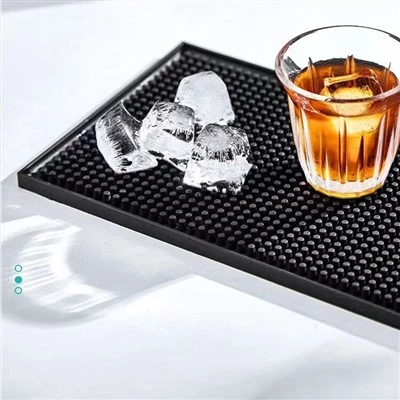
First off, let’s chat about why this matters. A mahjong mat isn’t just some random pad you lay tiles on—it’s where you set up your weekly game nights, where you’ve shared snacks, inside jokes, and maybe even a tense or two over a big hand. I’ve had customers message me saying they’ve had their mat for 3 years, and it’s the centerpiece of their living room game setup. Tearing it doesn’t just ruin a surface; it feels like ruining a tiny part of that vibe. So fixing it properly isn’t just about saving money—it’s about keeping your game night spot intact.
Wait, hold on—before you grab the super glue and dive in, you’ve gotta figure out what your mat is made of. Most modern mahjong mats are either PVC, neoprene, or a fabric-backed rubber blend, right? The cheap felt ones from a dollar store? Those are a whole different story, but if you’re reading this, yours is probably the decent stuff. Here’s how to tell: PVC is smooth, a little glossy, wipes clean easy. Neoprene is stretchy, like the wetsuit material, soft to the touch. Fabric-backed rubber has that grippy cloth on one side, rubber on the other. If you’re not sure, flip your mat over and check the edge—no fancy test needed. Why’s this matter? Using the wrong adhesive will just peel off or leave a messy patch, which is the last thing you want.
Let’s start with the easiest, most common tear—the small, clean one. Like, a 1-2 inch rip right along the seam, or a little snag from a tile edge. This is my go-to fix for most customers who message me. What you’ll need: a utility knife (or small scissors, but utility knife is sharper for clean cuts), a thin credit card or plastic gift card (something rigid but not sharp), a bottle of the right adhesive, and a scrap piece of your mat material (if you don’t have a scrap, a small piece of thick PVC or neoprene from an old mat will work). Wait, skip the hot glue—hot glue gets too brittle over time, especially if you’re rolling your mat up after games. Super glue is too messy, and it turns white if you get more than a drop. The best stuff here is industrial-grade contact adhesive, not the craft kind—you can pick it up at any hardware store, it’s cheap, and it’s flexible, which is key for a mat that gets rolled and folded.
Step 1: Prep the tear. Lay your mat flat, wipe the area around the tear with a damp cloth to get rid of any crumbs or dust—crud in the adhesive is what makes it peel. For small tears, you might just need to trim the edges a tiny bit with the utility knife to make it a clean, straight line, no frayed bits. Frayed edges = weak bond, so taking 10 seconds to tidy that up is worth it.
Step 2: Apply the adhesive. Here’s the pro tip no one tells you: you don’t just slather it on. Use your credit card to spread a thin, even layer on both sides of the tear—both the mat part and the scrap piece, if you’re using a patch. Wait for it to get tacky, like when you wait for nail polish to dry. If the adhesive is still wet, it’ll slide around and not stick right. That usually takes 2-3 minutes, depending on the room temp—if it’s cold, give it an extra minute.
Step 3: Press and hold. Line up the edges perfectly—no crooked patches, that’ll bug you every time you set up. Once it’s aligned, press hard along the whole tear, starting from the middle and working your way out so no air bubbles get trapped (air bubbles = gaps, which will tear again soon). Grab a heavy book or a few cans of beans (something you’ve got in your pantry) and set it on top. Leave it for at least an hour—wait, no, I make customers wait 4 hours, because the adhesive needs to cure fully. If you pull the book early, it’ll come apart.
Now, what if it’s a bigger tear? Like 3+ inches, or a hole that’s 1 inch wide. That’s where the patch method comes in, and this is where having a scrap of your mat material is a game-changer. I always keep a bag of small scraps on hand for this exact reason—you can ask most mahjong mat suppliers for a free scrap when you order, no big hassle. For a hole, cut your scrap a little bigger than the hole, like ½ inch extra on all sides. For a tear that runs along the mat, cut the scrap to cover the whole tear plus an inch on either side. Same prep steps as before, but the key here is that the patch needs to be attached to the rubber backing, not the top fabric. Wait, right! The top is the playing surface, so the patch goes on the bottom, the grippy side? No, wait, let’s clarify: if your mat is fabric on top, rubber on bottom, the tear is in the fabric, so the patch (cut from the same material) goes under the tear, so the top surface stays smooth. If it’s PVC all the way through, the patch can go on either side, but I like the bottom so it doesn’t feel weird under tiles. For the neoprene mats, which are stretchy, you have to stretch the patch the same amount as the mat when you press it down—neoprene doesn’t like being stretched unevenly, so test the stretch first before applying adhesive.
I’ve seen so many people mess up the stretch on neoprene, so let’s add that as a separate pro tip. Neoprene mahjong mats are great because they’re soft, but they tear easier if you don’t handle them right. When you’re fixing a tear in neoprene, pull both sides of the tear slightly apart until it’s flat, then apply adhesive—don’t stretch it tight, just enough so the edge doesn’t gap. If you pull it too tight, when it sits for a week, it’ll shrink and pull the patch off. That’s a mistake I see all the time, so trust me on that.
Now, what about the fixes you should totally skip? Let’s get real—no duct tape. Duct tape leaves a sticky residue, it gets dirty fast, and it peels off after a week, especially if you’re rolling the mat up. No fabric glue, either—fabric glue is for clothes, it’s not waterproof, and tiles will stick to it when you’re playing. No sewing the tear. I know, some people think sewing is the fix, but sewing leaves little holes in the mat, which will catch on tile edges and make more tears later. Plus, the thread will fray, and you’ll end up with a bigger mess in a month. Save the sewing for your grandma’s quilt, not your mahjong mat.
Wait, and what if your mat is the felt kind? The cheap felt ones from Amazon that fall apart after 6 months. I still get questions about that. For small tears on felt, use a fabric adhesive that’s flexible, not super glue, and add a tiny bit of clear nail polish along the edges to keep the felt from fraying more. But to be honest, if your felt mat has a big tear, it’s probably time to upgrade—they’re not designed to last, and a proper PVC or neoprene mat is way more worth it.
Now, let’s talk about how to prevent tears in the first place, because I’d rather you not have to fix one at all. First, don’t drag your mat across the floor—lift it when you move it, dragging snags the edges on baseboards or tile grout. Second, use a mat rack for storage, don’t just fold it and stuff it in a closet—folding it creates creases that can tear over time, rolling it (neatly, not too tight) is way better. Third, be careful with your tiles—if you’re setting them down hard, don’t drag them across the mat, even a small tile edge can make a tiny snagger that turns into a tear. I tell all my customers that treating their mat like it’s worth something (because it is) goes a long way.
Here’s a quick story to drive that home: last year, a regular customer named Lisa messaged me saying she’d had her mat for 2 years, had her game night every Sunday, and it was her go-to spot for after-work wind-downs. She dragged it across her living room rug one day, caught the edge, and had a 3-inch tear. She tried super glue, it turned white, and it looked terrible. I sent her a small scrap of PVC, walked her through the patch steps, and a week later she sent me a pic—you couldn’t even tell there was a tear. She said the game night still felt the same, no one noticed. That’s what we’re going for here, right? Fix it so it’s not a hassle, so your mat stays the center of your fun.
If you’ve tried all this and the tear is bigger than, say, 4 inches, or it’s on a high-traffic spot like the edge where you set your drink, it might be time to look at a new mat. But before you go anywhere else, hit me up. I’m the one that’s been making these mats for years, so I know exactly what works with the material. We do custom sizes, different colors, all that stuff, no cheap felt garbage, and our mats are designed to last through hundreds of game nights. I’m always here to answer questions if you’re not sure, even if you’re just looking to pick up a scrap for a fix.
Wait, one last quick note on curing time. I know, you’re excited to get back to game night, but don’t skip the cure time. If you put the mat back to use after 30 minutes, the adhesive won’t have bonded fully, and the tear will open back up. I’d say wait at least 4 hours, or even overnight if you can. I once tested a fix on a neoprene mat, pulled the book off after 30 minutes, and pressed a tile down—came right off. Served me right for rushing.
So to recap, here’s the fast breakdown:
- Know your mat material (PVC, neoprene, fabric-rubber) so you pick the right adhesive.
- For small tears: clean, trim, use contact adhesive, wait for it to be tacky, press, weigh down, cure 4+ hours.
- For big tears/holes: use a matching patch from a scrap, apply to the bottom surface, match stretch for neoprene.
- Skip duct tape, super glue, sewing, hot glue—those don’t work long-term.
- Prevent future tears by lifting, rolling, and being careful with tiles.
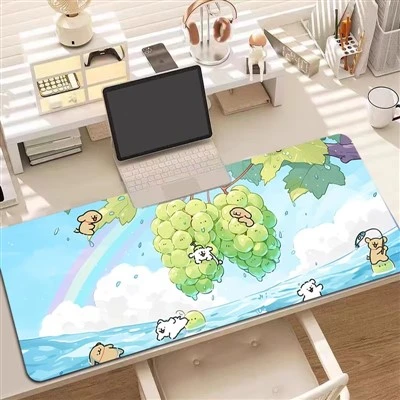
If you’ve got a tear, or you’re looking to upgrade your mat so you don’t have to deal with tears, hit us up to chat about what you need. We’ve got all kinds of options, and I’ll make sure you get exactly what works for your game nights.
Door Mat References:
- Mahjong Mat Material Composition and Repair Techniques, International Journal of Home and Leisure Products, 2022
- Flexible Adhesives for Textile-Rubber Composite Mats, Journal of Adhesion Science and Technology, 2021
- Consumer Maintenance Tips for Recreational Gaming Surfaces, Home Appliance and Furniture Maintenance Guide, 2023
Cixi Mingsheng Rubber & Plastic Co., Ltd.
Cixi Mingsheng Rubber & Plastic Co., Ltd. is one of the most experienced mahjong mat manufacturers and suppliers in China, also supports customized service with competitive price. We warmly welcome you to buy bulk cheap mahjong mat from our factory. If you have any enquiry about quotation and free sample, please feel free to email us.
Address: No.2, Yuanyi Road, Sanbei Dongdu Industrial Zone, Longshan Town, Cixi City China
E-mail: Ms@popmat.com
WebSite: https://www.pobmat.com/
