If you’re a engineer, product designer, or operations manager who’s sourced sheet metal enclosures before, you know the small parts that hold them together make all the difference. A wrong fastener choice can turn a sleek, functional enclosure into a headache—loose panels, rust spots, or parts that come apart during shipping all derail your project timeline. As a sheet metal enclosure supplier who’s worked with 100+ clients across industrial tech, medical devices, and consumer electronics over the past seven years, I’ve seen how fasteners are far from an afterthought. They’re the backbone of enclosure integrity, and picking the right ones doesn’t just save you time—it cuts long-term costs too. Sheet Metal Enclosure

Today, I’m breaking down the most common fasteners we use, why they work for sheet metal, and when to pick each one. No overly technical jargon, just real-world insight from a supplier who’s installed these on enclosures that sit in outdoor warehouses, cleanroom labs, and even aerospace test bays.
First, let’s start with what makes sheet metal unique. Unlike solid steel blocks or plastic housings, sheet metal is thin—usually between 0.5mm and 6mm for most enclosures. That means fasteners can’t require heavy drilling or create stress points that warp the metal. The best fasteners for sheet metal create a secure fit without adding extra weight, resist corrosion, and are easy to install, whether you’re assembling enclosures on a production line or repairing a unit in the field.
- Self-Clinching Fasteners: The Workhorse for Permanent Assembly
If you’ve ever looked inside a sheet metal enclosure, odds are you’ve seen self-clinching fasteners, even if you didn’t recognize the name. These are small, threaded metal inserts that permanently mount into sheet metal without nuts, bolts, or welding. Here’s how they work: during installation, we press the fastener into a pre-punched or drilled hole in the sheet metal with a press, and the metal flows into small locking grooves on the fastener’s shank. The result is a flush, threaded hole that never loosens—no risk of nuts falling off, no protruding parts that catch on wires or tools inside the enclosure.
We use self-clinching fasteners for almost every standard enclosure we make, and for good reason. They’re perfect for permanent assembly, like attaching internal brackets, circuit board mounts, or inner panels that never need to be removed. They come in two main types: PEM nuts (threaded for external bolts) and PEM studs (threaded to accept screws from the other side). Stainless steel is our go-to material for these, especially for enclosures that will be used outdoors or in corrosive environments like food processing plants. They’re also ultra-thin, so they don’t add bulk to the enclosure—ideal for compact devices like telecom routers or medical sensor housings.
Wait, but there’s a caveat: self-clinching fasteners aren’t for every job. If you need to access internal components regularly for maintenance, they’re not the best—removing and reusing them too many times will wear down the locking grooves. For those cases, we turn to the next fastener on the list.
- Blind Rivets (Pop Rivets): The Go-To for Field Access and Quick Assembly
Blind rivets, or pop rivets as they’re commonly called, are the Swiss Army knife of sheet metal fasteners. They’re ideal when you can only access one side of the enclosure—think attaching an outer door panel or a side panel from the outside, where you don’t want to reach into the interior to tighten a nut. That’s why they’re so popular for enclosures that require routine maintenance, like electrical control boxes or outdoor storage cabinets.
How do they work? A blind rivet has a hollow shaft and a mandrel (a small nail-like pin) through the center. You drill a hole through both the outer panel and the inner frame, insert the rivet into the hole, and use a rivet gun to pull the mandrel. This expands the shaft’s blind end (the end you can’t see) to lock it in place, then snaps off the excess mandrel, leaving a tight, flush joint. We offer them in aluminum, steel, and stainless steel, depending on the application. Aluminum is lightweight and cost-effective for indoor enclosures, while stainless steel holds up to saltwater and harsh chemicals for marine or industrial outdoor use.
One tip we always share with clients: don’t skimp on rivet size. A 3/32-inch rivet works for thin 0.5mm panels, but a 1/8-inch or 5/32-inch rivet is necessary for thicker 2-6mm sheet metal. Too small, and the joint will pull apart under vibration—common in equipment that’s shipped or installed on factory floors.
- Machine Screws and Hex Nuts: The Standard for Removable Panels
When you need to remove a panel regularly—like a server rack access door or a utility box cover—machine screws paired with hex nuts are the most reliable option. Unlike self-clinching fasteners, they’re easy to install and remove with a screwdriver or wrench, perfect for end-user maintenance. For sheet metal, we usually use pan-head or truss-head machine screws—their wide, flat heads spread pressure across the thin metal, preventing warping that smaller, round-head screws can cause.
Hex nuts are simple, but we don’t just use any nuts for sheet metal enclosures. We recommend lock nuts (nylon insert nuts) to prevent loosening from vibration. Think about a server rack in a data center—servers hum 24/7, and that constant vibration can make regular nuts work themselves loose. Nylon insert lock nuts have a nylon ring inside that creates friction, so the screw stays tight. We also offer serrated flange nuts, which have teeth that grip the sheet metal surface to resist spinning, no lock washer needed.
A common mistake we see clients make with machine screws: using too long a screw. If the screw sticks through the other side of the panel, it can scratch internal components or create a hazard. We always recommend measuring the thickness of both panels plus 1-2mm for the nut to sit flush. For example, if your enclosure is made of two 1mm panels, a 3mm screw is the sweet spot.
- Clips and Fasteners: The No-Tool Option for Quick Assembly
If you’ve ever opened a consumer electronics enclosure, like a laptop or a wireless speaker, you’ve probably seen plastic or metal clips holding panels together. These are a huge time-saver for clients who need to assemble enclosures quickly, without tools or complex hardware. We use two main types for sheet metal enclosures: spring clips and push-in fasteners.
Spring clips are small, curved metal pieces that attach to one panel and snap into a corresponding slot on the other. They require no fasteners, no drilling, and just press into place—great for temporary enclosures or prototypes, where you might need to adjust the design frequently. Push-in fasteners, also called speed nuts, are small plastic or metal inserts that slide into a punched slot in the sheet metal. A screw passes through the outer panel and threads into the speed nut, which holds tight without needing a nut on the other side. They’re popular for automotive enclosures and small electronic devices because they’re cheap, fast, and don’t require any tool to install.
The downside? Spring clips and push-in fasteners aren’t as strong as rivets or machine screws. They’re best for low-vibration, indoor applications. If you’re making an enclosure for a piece of heavy machinery that will move around a factory floor, a spring clip might come loose over time. But for a demo unit or a consumer device, they’re perfect.
- Threaded Inserts for Plastic and Composite Panels
Wait, our focus is sheet metal, but many enclosures combine sheet metal with plastic or composite inner panels, like enclosures for medical devices that need to insulate internal electronics. For those, we use threaded inserts, which are designed to mount into softer materials without stripping. The most common type for sheet metal enclosures is the heat-set insert—you melt it into a small hole in the plastic panel, creating a permanent threaded hole that accepts a screw. That way, you can attach the sheet metal frame to the inner panel without using extra fasteners or risking damage to the plastic.
We also offer press-in threaded inserts for thin sheet metal, for clients who want to attach smaller components like LED mounts or sensor brackets without welding. These inserts have sharp external threads that bite into the sheet metal, creating a secure hold that’s strong enough for light to medium loads.
Now, let’s talk about how to choose the right fastener for your specific project, because it’s not one-size-fits-all. If you’re making an industrial control box that will be installed outdoors, self-clinching stainless steel fasteners combined with stainless steel blind rivets are your best bet—they resist rust, stand up to vibration, and can hold up to harsh weather. If you’re making a server rack door that needs to be opened and closed weekly, machine screws with lock nuts will serve you well, giving easy access without worrying about loose panels. If you’re building a prototype or a temporary display enclosure, spring clips are the most cost-effective option.
Over the years, we’ve learned that the best fastener choice isn’t just about strength—it’s about the total lifecycle of the enclosure. A $0.01 aluminum rivet might seem cheap, but if it rusts after six months and you have to replace the entire enclosure, it’s a waste. That’s why we work closely with every client to match fasteners to their needs, not just the lowest price. We’ll ask questions like: Will this enclosure be used indoors or outdoors? Will panels be removed regularly? What’s the maximum weight the enclosure will hold? Those answers help us pick fasteners that keep your enclosure functional for years, not just weeks.
At the end of the day, fasteners are the small, unglamorous part of sheet metal enclosures, but they’re what make your design work. A high-quality enclosure with the wrong fasteners is like a car with flat tires—it looks good, but it won’t get you where you need to go.
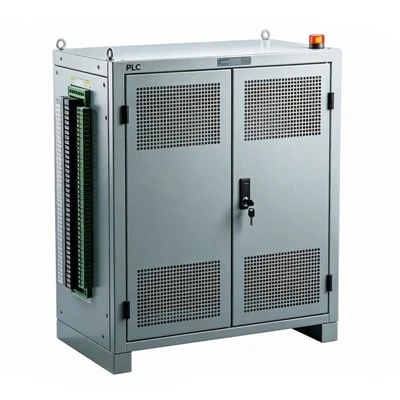
If you’re working on a new enclosure project, or you’re looking to upgrade your current fastener setup to save time and reduce costs, I’d be happy to walk through your options. We’ve worked with businesses of all sizes, from startups launching their first product to large corporations updating their industrial equipment, and we can help you pick fasteners that fit your budget and requirements.
Sheet Metal Enclosure References
- Vickers, R. (2018). Fastener Design Manual for Sheet Metal Assemblies. Society of Manufacturing Engineers.
- Steel Manufacturers Association. (2020). Corrosion Resistance of Fasteners for Sheet Metal Enclosures.
- ASTM International. (2019). Standard Test Methods for Fastener Performance in Vibration-Resistant Applications.
- PEM Fasteners. (2021). Design Guide for Self-Clinching Fasteners in Sheet Metal.
Hefei Excellent Intelligent Technology Co., Ltd.
As one of the most professional sheet metal enclosure manufacturers in China, we’re featured by quality products and good service. Please rest assured to wholesale bulk customized sheet metal enclosure made in China here from our factory. Also, pricelist is available.
Address: No.3 Jingyi Road, Douzhen Industrial Park, Gangji Town, Changfeng County, Hefei City, Anhui Province
E-mail: 1637201948@qq.com
WebSite: https://www.cnakst.com/
