Let’s be real — when you think about souvenir shops, what pops into your head? Chances are it’s not a fancy, high-tech POS system. It’s a guy behind the counter with a cash box that’s seen better days, a stack of crumpled receipts, maybe a calculator he’s had since 2012 to add up bulk keychains. But wait — I’m a POS system supplier, and I get asked this question all the time: Can a POS system actually work in a tiny, often chaotic souvenir shop? Spoiler alert: Yes — and it’s not some overkill tech that’ll make your life harder. It’s exactly what your shop needs to stop losing money and start actually making it. POS System
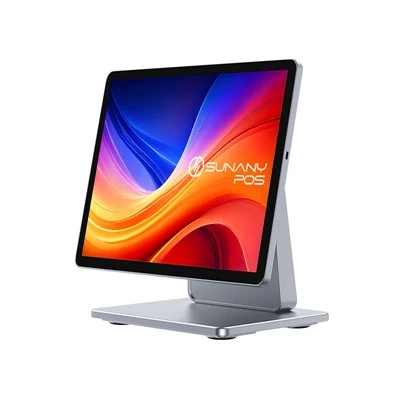
I’ve spent the last five years talking to souvenir shop owners from every corner you can imagine: beach towns in Florida, mountain villages in Vermont, even a little shop on the Alaskan Highway that sells moose-themed everything. These folks all say the same thing when they first mention POS systems to me: “My shop’s too small / too busy / too random for that.” Let’s break down why that’s a total myth — and why your souvenir shop, even the tiniest one, would benefit way more than you think.
First off, what’s a souvenir shop’s biggest pain point? It’s not just selling stuff. It’s tracking 10,000 different SKUs (that’s stock keeping units, by the way — don’t roll your eyes), half of which are seasonal: Christmas ornaments only in December, beach towels that vanish when it snows, maple syrup tins that sell like hotcakes in February. Old school cash boxes and spreadsheets? They suck at that. One shop owner in Maine told me last year she had to throw away $800 worth of Halloween decor in November because she didn’t track how many she sold — she thought she had 50 left, turns out she only had 10. A POS system fixes that instantly. You scan a keychain, a mug, whatever, and it automatically subtracts from inventory. No more guessing, no more “wait, did I sell that or just misplace it?”
And let’s talk about busy periods — summer weekends, holiday weeks, when your shop’s packed so tight you can barely move. At that point, the last thing you want is fumbling with a calculator or making change wrong because you’re frazzled. A POS system lets you ring up multiple items in two seconds flat, calculate taxes automatically (and I don’t mean that one time you forgot sales tax on out-of-state tourists — it does it for every state, every city, no mistakes), and even split checks if a family says “I’ll take the keychains, my kid takes the stickers.” One shop owner in Hawaii told me she cut her checkout time by 60% with our system — so she didn’t have a line out the door, and more tourists actually stuck around instead of bailing because they couldn’t wait.
Wait, but what about the “tourist chaos” — people paying with everything under the sun: cash, credit cards, Venmo, Apple Pay, even that old PayPal link some shops use? A POS system handles all of that, no extra work. No more switching between four different apps to process payments. It’s all in one place. I had a shop owner in Colorado tell me last month she used to lose $50 a week because she’d forget to cash out Venmo payments or have to pay extra fees because she was using a clunky third-party app. Our POS system integrates with every payment method tourists use, and fees are way lower than most people expect. That’s not a small win — that’s $2,600 a year back in her pocket.
Now, I know what some of you are thinking: “I don’t know how to use fancy tech.” Let’s get real. Our POS systems aren’t like the ones at big grocery stores with 100 buttons. They’re simple — like, if you can send a text, you can use ours. The souvenir shop owner in Alaska I mentioned earlier? She’s 62, only uses a smartphone to text her grandkids, and she set up our system in 20 minutes. We do free training, even a quick 10-minute video cheat sheet she keeps taped to the counter. No weird jargon, no confusing manuals.
But here’s the part that a lot of people miss: data. Souvenir shops thrive on knowing what sells when. If you’re using a cash box, you have no clue if those moose mugs sell better on rainy days or sunny days, or if your $10 keychains are way more popular than your $20 ones. A POS system tracks that for you. It’ll tell you “weekends in July: beach towels sell 2x faster than weekdays” or “Christmas ornaments: we sell 300 in November, only 10 in January.” That means you don’t waste money ordering stuff no one wants. The Maine shop owner I talked about earlier? She used our system data this year and ordered 20% fewer Christmas decor items — and sold out almost entirely, so she didn’t have to throw away hundreds worth of stock. That’s profit, plain and simple.
Wait, but what about the small stuff — like when a tourist comes back and wants a refund? With a cash box, you’d have to dig through crumpled receipts, pray you could find it, and hope you don’t accidentally give more money back than you should. A POS system stores every transaction forever, so you can pull up a receipt in two seconds, even if the customer is on vacation and mails it back later. No more headaches, no more losing money on bad refunds.
I know some of you still might be thinking: “POS systems are for big shops.” Let’s correct that. The most popular setups I sell are for shops under 1,000 square feet — tiny, hole-in-the-wall places that do $10,000 a month in sales. Because they’re the ones that get killed by human error, lost inventory, and slow checkout times. A big chain can absorb a $500 inventory loss, but a tiny souvenir shop? That’s a week’s worth of groceries.
Let’s be clear: I’m a POS supplier, so of course I’m biased — but I’m also a guy who’s seen how this changes shops. I’ve had a shop owner call me crying because her POS system caught that her part-time employee was stealing $100 a week (turns out he was ringing up fake sales and pocketing cash). I’ve had another one tell me she used the data to start a “sell 2, get 1 free” on keychains, and sales went up 40% in a month — because she knew that keychains were her top seller, so the promotion made sense, not just a random deal.
And before you say it: “What about cost?” Our POS systems are way cheaper than you think. For a small souvenir shop, it’s like $50 a month, plus hardware that costs less than a new coffee machine. No hidden fees, no long-term contracts. You can even use your old tablet or laptop if you don’t want to buy new hardware. I have a shop in Florida that uses an old iPad they had at home, downloaded our app, and was set up in 10 minutes. No need for fancy terminals.
Look, souvenir shops are about memories — but you still have to run a business. A POS system doesn’t take away that small-town, friendly vibe people love about your shop. It just takes away the stuff that makes it stressful: lost cash, missing inventory, slow lines, missed sales. It’s a tool, not a replacement for you or your team. It’s the thing that lets you focus on chatting with tourists, recommending your favorite local crafts, and making their trip awesome — instead of hiding in the back counting cash at 9 PM.
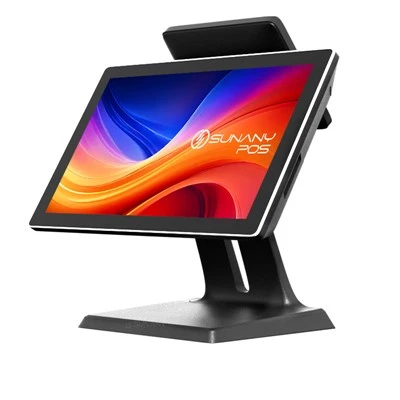
If you’re a souvenir shop owner reading this, and you’re tired of the chaos, the guesswork, the lost money — let’s chat. I’d rather hear about your shop than pitch you a hard sell. We can figure out a setup that fits your exact needs, not some one-size-fits-all garbage. No pressure, no fine print. Just a better way to run your shop.
POS System References
- Small Business Administration. (2022). Point of Sale Systems for Retail: Benefits for Small Businesses. U.S. Small Business Administration.
- National Retail Federation. (2023). Retail Inventory Management: Reducing Losses with POS Technology. National Retail Federation.
- Pew Research Center. (2021). Mobile Payment Usage Among U.S. Consumers: Implications for Small Retailers. Pew Research Center.
- Retail Systems Research. (2022). Point of Sale Adoption in Small Retail: Case Studies of Tourist-Focused Businesses. Retail Systems Research.
- U.S. Travel Association. (2023). Tourist Spending Patterns and Retail Needs in Destination Areas. U.S. Travel Association.
Shenzhen Sunany Technology Limited
Shenzhen Sunany Technology Limited is one of the most professional pos system manufacturers and suppliers in China, featured by quality products and good price. Welcome to wholesale bulk advanced pos system made in China here and get pricelist from our factory. Contact us for customized service and OEM service.
Address: 7F, Building 2, Pingji Avenue No.13, Longgang, Shenzhen, China.
E-mail: info@sunany.com
WebSite: https://www.sunanypos.com/
