If you’re a contractor, well driller, or small operation owner looking to invest in water well drilling machinery, I get it—diving into the process can feel overwhelming. As a water well machinery supplier who’s worked side-by-side with drillers across North America for over 12 years, I’ve seen first-hand what happens when preparation falls short: rigs break mid-drill, safety hazards pop up unexpectedly, and projects get delayed by weeks (or even months). That’s why I put together this step-by-step guide to help you prep properly—no guesswork, just practical, actionable steps that align with how modern drilling works. Water Well Machinery

First, let’s start with the basics that many new drillers skip: site assessment. You can’t just roll a rig up to any spot and start drilling. Before you even think about firing up the engine, you need to confirm three non-negotiable things: groundwater availability, geotechnical conditions, and regulatory compliance. Groundwater mapping isn’t just a Google search—local geological surveys, like the USGS Water Resources Division, have detailed well logs that show where aquifers sit, how deep they are, and if there’s a risk of saltwater intrusion or contamination. For geotech, digging a test pit or using a portable soil penetrometer will tell you if the ground is loose sand (which can collapse during drilling) or solid bedrock (which needs a different bit type).
Regulatory stuff isn’t something you can cut corners on. Most states and provinces require well permits, and some have setback rules (like 50 feet from septic systems, 100 feet from industrial sites). One customer of mine a few years back tried drilling in a spot too close to a farm’s manure lagoon, and not only did he have to plug the initial well—he had to pay a $2,000 fine. Always check with your state’s Department of Natural Resources (DNR) or equivalent agency first; some even have interactive online maps that show permit zones. If you skip this step, you’re wasting time, money, and risking legal trouble down the line.
Next, rig selection. This is where being a water well machinery supplier means I know exactly how to match the right rig to your job, not just push whatever’s sitting on the lot. Too many drillers default to the biggest rig they can afford, but that’s a mistake. For example, a shallow well (less than 100 feet) in sandy terrain doesn’t need a 20,000-pound rotary rig with all the bells and whistles; a compact, track-mounted drill rig that’s easy to move around residential lots will work better and cost less to operate. For deep bedrock wells (over 500 feet), you need a rig with enough torque and pullback to handle diamond bits and heavy casing.
Here’s a pro tip I tell every customer: factor in mobility. If you’re working in rural areas with unpaved roads, a wheeled rig might get stuck, so a tracked model with low ground pressure is worth the extra cost. Also, check the rig’s compatibility with your drilling method: rotary drilling for most shallow wells, sonic drilling for sensitive areas where you don’t want to contaminate groundwater, or cable tool for solid bedrock. Never let a sales rep talk you into a rig that doesn’t match your typical projects—we’ve had drillers come back saying their “deal of a lifetime” rig can’t handle the local shale, and they end up upgrading six months later.
Once you’ve picked your rig, pre-drill equipment inspection is non-negotiable. I’ve seen rigs that looked fine on the outside have frayed hydraulic hoses, worn drill bits, or leaky mud pumps that cause a mid-drill failure. This isn’t just a once-over before delivery—you need a checklist you use every time you set up. Let’s break it down:
- Drilling bits and tools: Bits are the cutting edge, literally. For sand and clay, use a drag bit; for rock, a diamond or tungsten carbide bit. Worn bits don’t just slow you down—they can get stuck in the hole, requiring extra time and money to extract. We recommend checking bit condition before every job, and keeping a spare set on-site.
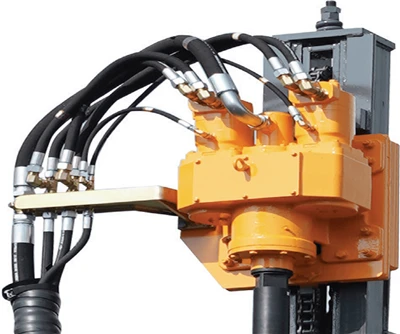
- Hydraulic and engine systems: Start the rig cold and run it for 10 minutes, checking for unusual noises (grinding, squealing), leaks under the engine or hydraulic lines, and that all pressure gauges are in the manufacturer’s specified range. Low hydraulic pressure can cause the drill head to stall mid-hole, which is a nightmare in hard rock.
- Safety gear: You can’t drill without it, period. This includes hard hats, safety glasses, steel-toe boots, fall protection for when you’re on the rig, and a first-aid kit tailored for drilling (think tourniquets for rope injuries, antiseptic for mud-related cuts). Also, make sure you have a fire extinguisher within 10 feet of the rig—gasoline and hydraulic fluid are flammable, and sparks from the drill can ignite them. One customer saved himself $15,000 in rig damage last year because he caught a small fire with a portable extinguisher before it spread.
- Mud system: The mud (or drilling fluid) isn’t just water—it’s a mix of bentonite clay, polymers, and sometimes additives that keeps the hole from collapsing, cools the bit, and carries cuttings to the surface. Check your mud pump for clogs, make sure your mud tanks are clean, and test the mud’s viscosity before drilling. If your mud is too thin, the hole will cave in; too thick, and it’ll slow down drilling. We supply pre-mixed mud for small jobs, so if you’re new, ask your supplier for a recommendation.
Then there’s on-site prep that’s often overlooked: site layout and utilities. Your rig needs a flat, stable surface to set up—enough so the rig doesn’t tip, even when pulling heavy casing. For tracked rigs, that means clearing brush, leveling low spots with gravel, especially in soft soil. Most rigs need a 20×20 foot space minimum, but larger deep-well rigs need 30×30 feet. Also, check for underground utilities—gas lines, electrical cables, sewer lines. Hitting a gas line can cause an explosion, hitting electrical lines can kill someone. Before you dig, call your local 811 service (in the US, that’s the national call-before-you-dig number) to have utilities marked—this is free, and it’s the law in most places.
Water access is another big one. Drilling a well uses 50 to 100 gallons of water per foot of drilled hole, so if you’re drilling 500 feet, you need 25,000 to 50,000 gallons of water. If the site doesn’t have a water source (like a nearby pond or hydrant), you’ll need to arrange for water delivery—factor that into your budget, too. I’ve had drillers finish drilling only to realize they ran out of water, so they have to wait three days for a delivery, pushing their project back and making the client upset.
Now, crew prep. Even the best rig is useless without a trained crew. Most small drill operations have 2 to 3 people, and each has a specific role: rig operator (who runs the drill head and engine), assistant (who handles casing, mud, and tools), and a project manager (who coordinates with the client and DNR). No one should be “figuring it out on the job” when it comes to operating the rig. Most reputable water well machinery suppliers offer training sessions—we do on-site training for new rig owners, covering basic operation, maintenance, and troubleshooting. Even if you’ve drilled before, a refresher on modern rig features (like remote monitoring systems or auto-stop functions) can prevent mistakes.
Also, make sure your crew is trained in emergency response. What if a drill bit gets stuck? What if the hole caves in? What if someone gets injured? Practice these scenarios before the first drill. For example, a stuck bit can often be fixed with a pullback tool, but if that doesn’t work, you might need to add casing to stabilize the hole. Having a pre-planned response avoids panicking and making a bad situation worse.
Budget prep is the final piece, and it’s where many drillers go wrong. Let’s be clear: buying a rig isn’t just the upfront cost. You have to factor in maintenance (parts, oil, repairs), fuel, insurance, permits, and unexpected costs like mud delivery or utility damage. I tell every customer to set aside 20% of the rig’s purchase price for initial operating costs. For example, if a rig costs $50,000, budget $10,000 for extras. Don’t forget insurance—rig insurance covers damage to the machine, liability if someone gets hurt, and property damage if you hit a utility. Skipping insurance can bankrupt your operation if something goes wrong.
Also, don’t forget to set aside for spare parts. Common parts like hydraulic hoses, drill bits, and mud pump seals wear out regularly, and having them on-site means you don’t have to wait for shipping. We sell spare parts at discounted rates to our customers, so stock up before you start drilling.
At the end of the day, preparing for water well drilling machinery isn’t just about checking boxes—it’s about protecting your crew, avoiding delays, and making sure your project is profitable. As a water well machinery supplier, I’ve seen that the most successful drillers are the ones who plan ahead, ask questions, and don’t cut corners on prep work. If you’re ready to talk through your rig needs, site plans, or training options, feel free to reach out to our team to discuss your requirements and find the right solution for your operation.
Drill Tools References:
- U.S. Geological Survey. (2022). Groundwater Availability of the United States. U.S. Department of the Interior.
- National Ground Water Association. (2023). Water Well Driller Safety & Preparation Manual. NGWA Press.
- International Association of Drilling Contractors. (2021). Modern Drilling Rig Selection & Setup Guide. IADC Publications.
- Environmental Protection Agency. (2022). Drinking Water Well Regulations & Best Management Practices. EPA Office of Water.
Jining Dongtai Lite Engineering Machinery Co., Ltd.
Jining Dongtai Lite Engineering Machinery Co., Ltd. is one of the most professional water well machinery manufacturers and suppliers in China. We have world-leading production equipment and strong manufacturing capabilities. Please rest assured to buy advanced water well machinery for sale here from our factory. Customized orders are welcome.
Address: No.1, West Side of National Highway 104, Lizhuang Village, Yishan South Road, Zoucheng City, Jining City, Shandong Province, China
E-mail: 15563731001@163.com
WebSite: https://www.kskyjzj.com/
