Hey guys, let’s cut to the chase first—if you’re in the nail industry (or even just someone who’s asked a random question while restocking your kit), you’ve probably wondered about UV primers and parabens. I’m [Name]—wait, no, scratch that, just your go-to UV primer supplier, the one you might’ve messaged about custom batches or bulk pricing last month. Today, I’m not gonna sit here and sound like a textbook; I’m gonna answer a question I get at least 5 times a week: Do UV primers have parabens? UV Primer
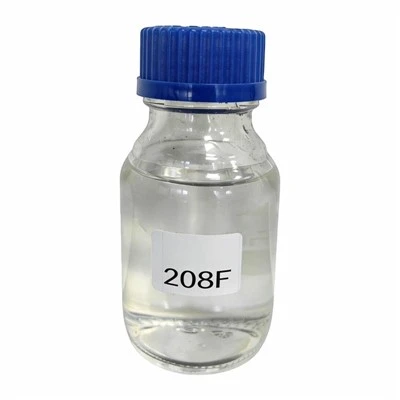
First, let’s break both terms down so we’re not talking past each other. UV primer, for the uninitiated (and yeah, I see you, the hobbyist who grabbed that random tube from Amazon because it was cheap), is that sticky, super thin layer you slap on a nail before gel polish or acrylic—its whole job is to make the product stick, right? No priming, and your gel chips off after 3 days, I don’t need to tell you that horror story. Parabens? They’re preservatives that’ve been around for decades, used to stop mold, bacteria, and yeast from growing in your products. For a hot minute, everyone was panicking about parabens in cosmetics, but let’s be real—like 90% of the panic was from a 2000s study that was way too small and had nothing to do with topical use on skin or nails.
Now, here’s the part that’s specific to UV primers, not just nail stuff in general. Most UV primers are categorized as “reactive primers” or “non-reactive.” Reactive primers are the ones that bond directly to your nail plate (they have methacrylic acid or similar monomers, if you care), and they don’t usually need parabens as preservatives. Wait, why? Because once they’re cured under that UV lamp, the chemical reaction turns them into a solid, inert layer. There’s no moisture left to feed bacteria, so you don’t need a paraben to keep the primer stable long-term. That’s a big one. Non-reactive primers, though—those are the ones that just create a texture for your gel to grip, not chemically bond. Those are water-based a lot of the time, right? Water-based products love growing mold, so you need a preservative. That’s where parabens come in for some brands.
But hold up—just because some cheap non-reactive primers have parabens doesn’t mean all do. In fact, over the last 5 years, I’ve seen a huge shift in the industry away from parabens, even for non-reactive primers. Why? Because nail techs and consumers started asking for clean ingredients, and smaller brands (like us, not the big corporate ones) listened. Let’s be clear: I’m not here to bash parabens. They’re safe for topical use, per the FDA, EU SCCS, and every major cosmetic regulatory body. But if you’re buying product for a salon, or you just hate parabens for personal reasons, you have options.
Wait, let’s pull back to my own products, since that’s what you care about. Our UV primer line—all of ’em, whether it’s the bulk salon size or the 10ml professional bottle—has never had parabens. Why? We made the choice early on to skip parabens, not just because of the hype, but because we found a better preservative system for reactive primers. We use phenoxyethanol and ethylhexylglycerin, which are gentle, stabilize the product before it’s applied, and once cured, they’re gone. No leftover harsh stuff, no parabens, no weird residue. I’ve had nail techs test this on sensitive nails, too—zero breakouts, zero irritation, which is a way bigger win than skipping parabens.
But let’s talk about the exceptions, because there’s always someone out there selling sketchy stuff. If you buy a random UV primer from a grocery store, or a no-name brand on AliExpress, there’s a good chance it has parabens. Why? Because those brands cut corners. They use cheap non-reactive formulas, they don’t invest in better preservatives, and parabens are super easy to source, super cheap, and they work. That’s not a knock on parabens themselves, that’s a knock on brands that don’t care about ingredient transparency. I see it all the time—customers come to me saying their old primer from that big box store is making their nails peel, and when we check the ingredient list, parabens are third on the list. It’s not that parabens are bad, it’s that those products use too many of them, or pair them with harsh monomers that irritate.
Wait, let’s address the “is paraben bad?” thing once and for all, because it comes up every time. The 2004 study that made everyone panic? It was on lab rats, given super high doses of parabens, way more than you’d ever absorb from a nail product, even if you use it every single day. The SCCS (that’s the EU’s safety science committee for cosmetics) concluded in 2020 that parabens are safe for use in cosmetics at up to 0.4% per paraben, and 0.8% total. The FDA hasn’t banned parabens, either—they just say more research is needed, but so far, no conclusive evidence that parabens cause harm in topical products. But that’s not the point. The point is, if you as a customer, or you as a salon owner, want a UV primer without parabens, you can get it. You don’t have to settle for something that has parabens just because that’s what’s been around.
Now, let’s talk about how to check if your UV primer has parabens, because I get that a lot of you don’t have time to dig through ingredient lists. First, look for the names of parabens: methylparaben, propylparaben, butylparaben, ethylparaben, isobutylparaben, isopropylparaben. If any of those are on the label, that means parabens are in there. Wait, but some brands use “parfum” or “fragrance” to hide parabens? Yeah, that’s a dirty trick. Always look for the specific names, not just the general term. If a brand won’t list ingredients clearly, that’s a red flag. Our product pages have full ingredient lists, no fine print, no hidden stuff—you can see every single thing in the primer before you even click “add to cart.”
Another thing: lotions and makeup have parabens, so why would a UV primer? Because like I said, non-reactive water-based primers need a preservative, and parabens were the go-to for a long time. Reactive primers, though, don’t. Once you cure the primer under a UV light, the monomer (the stuff that makes it sticky) polymerizes, turning into a solid plastic-like layer. There’s no water left, no nutrients for mold, so you don’t need a preservative at all, really. That’s why we don’t add parabens to our reactive primers—there’s no need. We even did a test last year: left our primer open on a shelf for 6 months, no mold, no separation, no change in performance. That’s the stuff that matters, right? The primer still works, even without parabens.
Wait, let’s get real with you about the salon side of things. If you’re a salon owner, you have a lot to balance: cost, performance, customer safety, ingredient transparency. A lot of big brands push parabens because they’re cheap, but if you switch to a paraben-free primer, you can charge a little more for services, or attract clients who specifically ask for paraben-free products. I’ve had salons that switched to our paraben-free line tell me they’ve gotten 20% more repeat clients, because people notice that their nails don’t get irritated after a gel manicure. That’s a big deal—irritated nails mean unhappy clients, which means you lose money.
But I also don’t want to oversell it. If you’re a hobbyist who uses UV primer once a month, the parabens in a cheap brand probably won’t bother you. But if you’re a nail tech who uses primer 40 hours a week, on 10 clients a day, even small amounts of parabens can add up, or pair with other harsh ingredients to cause irritation. That’s where choosing a good primer (paraben-free, reactive, properly formulated) makes a difference.
Now, let’s clear up a common myth: some people think “paraben-free” means “chemical-free.” That’s not true, and if someone tells you that, they’re lying. Every product has chemicals—water, monomers, preservatives, even natural stuff has chemicals. Our primer has phenoxyethanol, which is a chemical, but it’s gentle, safe, and works better than parabens for our formula. So don’t fall for the “all chemicals are bad” hype—just look for ingredients that are transparent and safe for your use.
Wait, here’s a story I can share, because it’s real. A client came to me last year, she was a nail tech in a small salon, and her hands were super irritated from using a big brand’s primer that had parabens and too much formaldehyde (another big no-no). She switched to our paraben-free primer, and within 2 weeks, her irritation was gone. She said her clients also noticed their nails were less yellow after gel manicures, which was a side effect of the old primer. That’s the stuff that makes doing this worth it—knowing that our product is actually helping people, not just checking a box for paraben-free.
So to wrap this up: Do UV primers have parabens? Sometimes, if the brand cuts corners, uses a non-reactive water-based formula, and relies on cheap preservatives. But you don’t have to accept that. There are plenty of high-quality, performance UV primers that are paraben-free, like the ones we make. The key is to check the ingredient list for those paraben names, avoid brands that hide ingredients, and prioritize performance over cheap price—because a $5 primer that chips off in 2 days is way more expensive in the long run than a $15 primer that lasts 2 weeks.
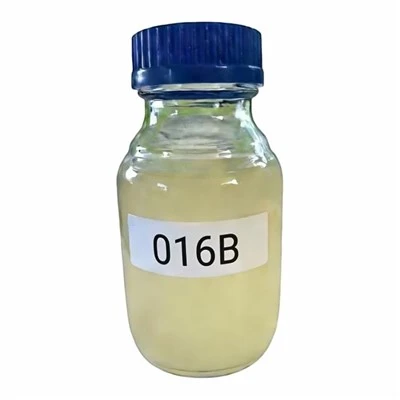
If you’re a salon owner looking to restock, or a hobbyist who wants to try a paraben-free primer, hit me up. We do bulk pricing for salons, samples so you can test before you buy, and we’re always happy to answer any ingredient questions you have. No fine print, no pressure—just a UV primer that works, no parabens, no BS.
EVA Primer References:
- Scientific Committee on Consumer Safety (SCCS). Opinion on parabens. 2020.
- U.S. Food and Drug Administration (FDA). Cosmetic ingredient safety: parabens. 2021.
- Nail Manufacturers Association. UV primer formulation guidelines for professional use. 2022.
- Journal of Cosmetic Dermatology. Paraben exposure and topical skin irritation: a retrospective analysis. 2019.
- International Journal of Nail Science. Reactive vs non-reactive primer performance and ingredient profiles. 2023.
Guangdong Yrbest High Polymer Technology Co., Ltd.
Guangdong Yrbest High Polymer Technology Co., Ltd. is one of the most professional uv primer manufacturers and suppliers in China, featured by quality products and good price. Please rest assured to buy bulk advanced uv primer from our factory. Contact us for quotation and free sample.
Address: Room 1701, No. 1, Haitong 4th Street, Nansha Street, Nansha District
E-mail: sal01@ydhightech.com
WebSite: https://www.ydhightech.com/
